
Microwave Sterilization and Disinfestations System
Kerone’s Microwave Sterilization and Disinfestations Systems utilize high-frequency microwave energy to eliminate microorganisms, insects, larvae, eggs, and pests from food, grains, powders, spices, packaging materials, pharmaceuticals, and industrial products.
Engineered precision for Microwave Sterilization and Disinfestations System.
Kerone’s Microwave Sterilization and Disinfestations Systems utilize high-frequency microwave energy to eliminate microorganisms, insects, larvae, eggs, and pests from food, grains, powders, spices, packaging materials, pharmaceuticals, and industrial products.
Microwave energy penetrates deep into the material, heating it volumetrically and rapidly. This leads to quick microbial inactivation and pest destruction without compromising quality, colour, aroma, or nutritional value. This technology provides a chemical-free, residue-free, and environmentally safe alternative to fumigation or thermal sterilization.
Combined with pathogen sterilization capability, Kerone’s integrated microwave systems offer a single-pass treatment solution that simultaneously addresses both microbial food safety and insect pest control requirements, replacing chemical fumigation, phosphine treatment, and heat chamber approaches with a faster, safer, and more controllable alternative.
Our advanced AI, ML, and IoT technologies, this solution delivers smarter automation, real-time insights, and predictive intelligence to enhance efficiency and drive future-ready growth.
Continuous tracking of process parameters with instant adjustments.
Intelligent fault detection to prevent failures before they occur.
Dynamic tuning of operations for maximum output and efficiency.
The thermodynamic architecture of our Microwave Sterilization and Disinfestations System incorporates advanced thermal modeling and computational fluid dynamics (CFD) to ensure optimal heat and mass transfer across the entire processing zone. By precisely controlling thermal gradients, air velocity profiles, and direct energy delivery mechanisms, the system achieves uniform treatment while preventing localized overheating, product degradation, or thermal stress. This balance of intensive heat transfer and controlled retention time ensures maximum operational throughput with minimal specific energy consumption.
Built with heavy-duty structural engineering and sanitary metallurgy, each unit is manufactured to withstand continuous 24/7 industrial operating conditions. Contact surfaces are finished in high-grade stainless steel (SS 304, SS 316L, or corrosion-resistant alloys) with sanitary mirror-polish options, CIP/SIP washdown provisions, and hermetic chamber sealing. This guarantees full compliance with stringent international hygiene, CE machinery directives, and cGMP standards across food, pharmaceutical, specialty chemical, and heavy manufacturing applications.
Proprietary control algorithms ensure strict process repeatability, while built-in safety interlocks and electromagnetic shielding comply with international CE and OSHA standards. Full process development support — including material loss tangent testing, moisture sorption isotherms, and pilot trials at our Ambernath R&D facility — ensures the selected technology matches your exact industrial throughput goals.
Product & Systems Gallery
Explore authentic high-resolution photographs of industrial machinery, pilot trial rigs, and continuous turnkey processing installations engineered by Kerone Engineering Solutions for Microwave Sterilization and Disinfestations System. Each system is fabricated at our ISO 9001:2015 certified manufacturing facilities with precision laser cutting, robotic welding, and stringent Factory Acceptance Testing (FAT).
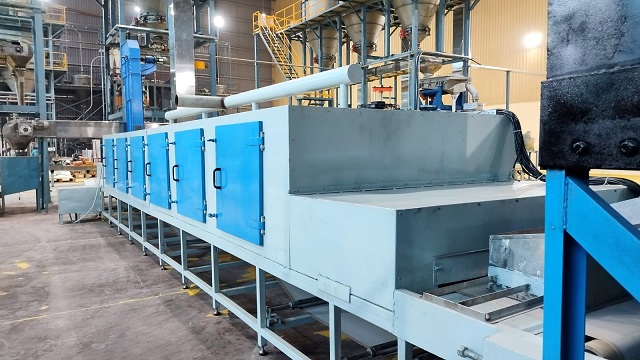
Microwave Sterilization and Disinfestations System
Click to view high-res
Microwave Sterilization and Disinfestations System
Click to view high-res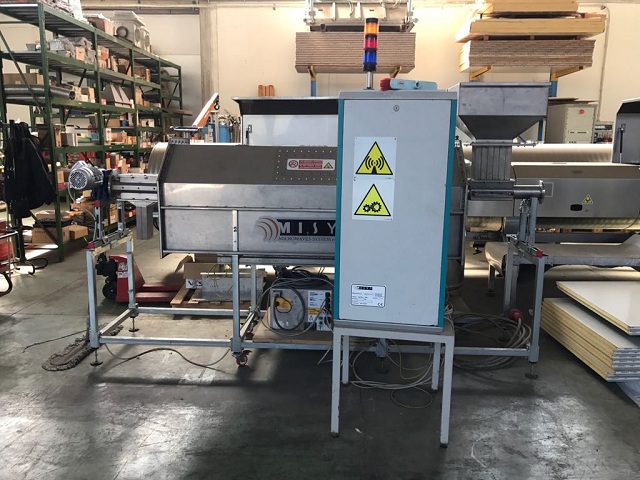
Microwave Sterilization and Disinfestations System
Click to view high-res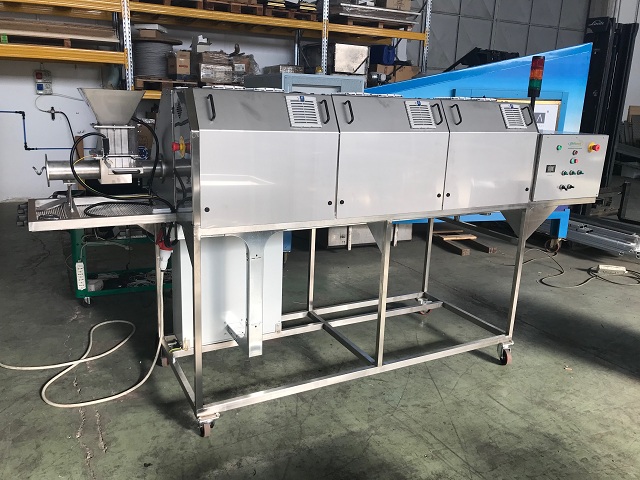
Microwave Sterilization and Disinfestations System
Click to view high-res
Microwave Sterilization and Disinfestations System
Click to view high-res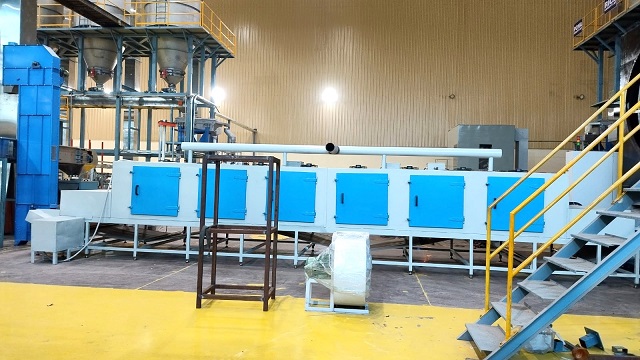
Microwave Sterilization and Disinfestations System
Click to view high-res
Microwave Sterilization and Disinfestations System
Click to view high-res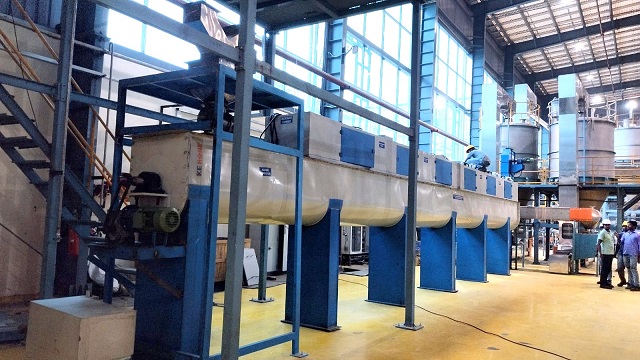
Microwave Sterilization and Disinfestations System
Click to view high-res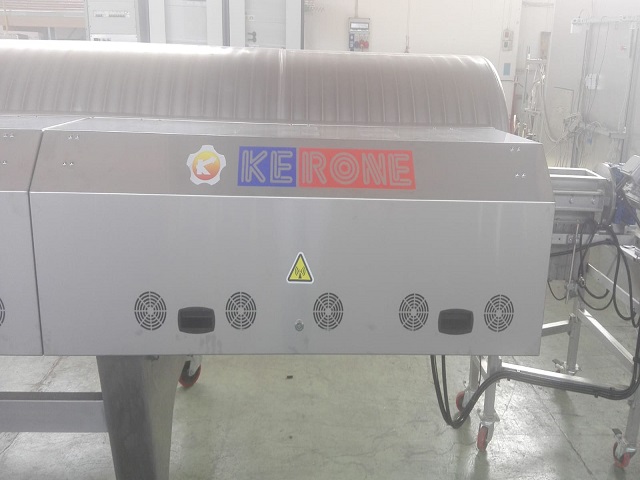
Microwave Sterilization and Disinfestations System
Click to view high-res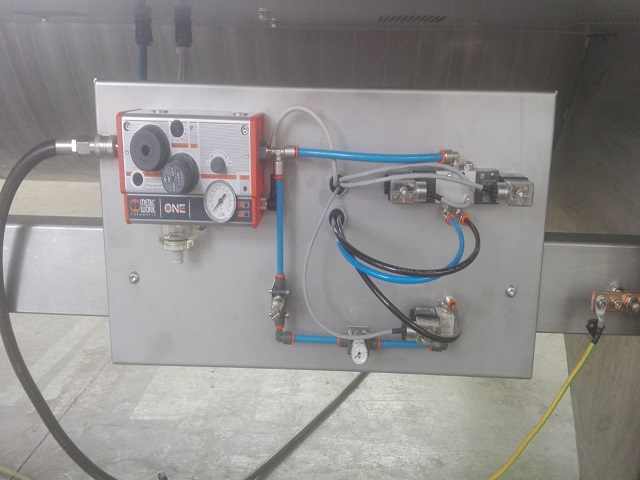
Microwave Sterilization and Disinfestations System
Click to view high-res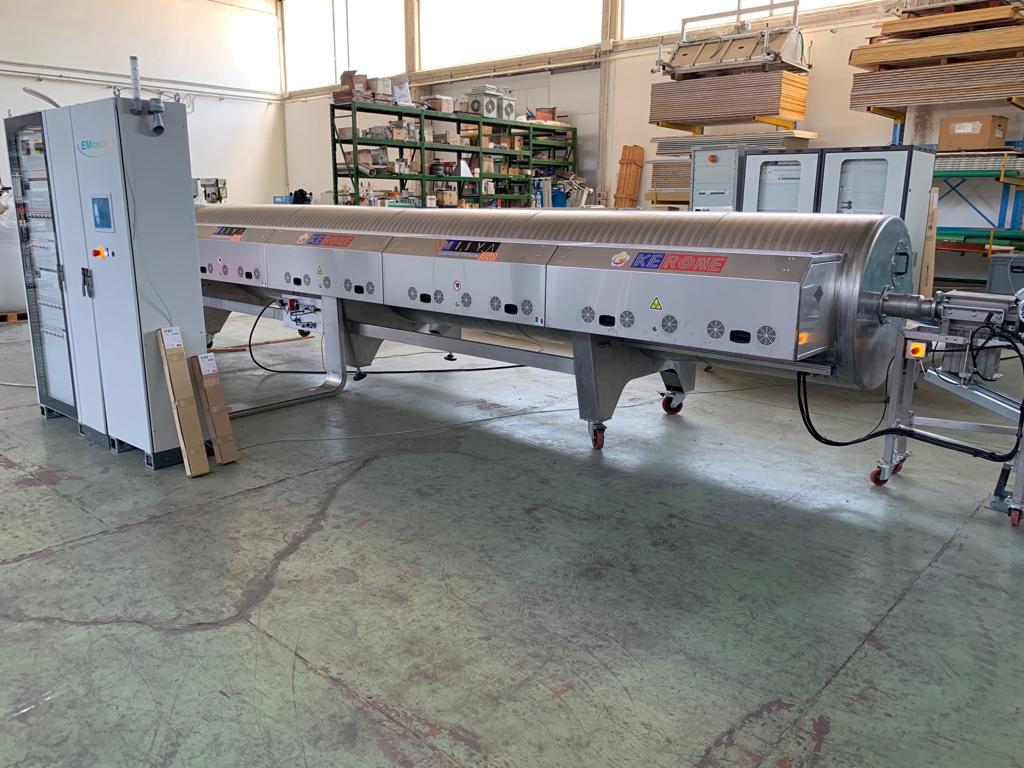
Microwave Sterilization and Disinfestations System
Click to view high-res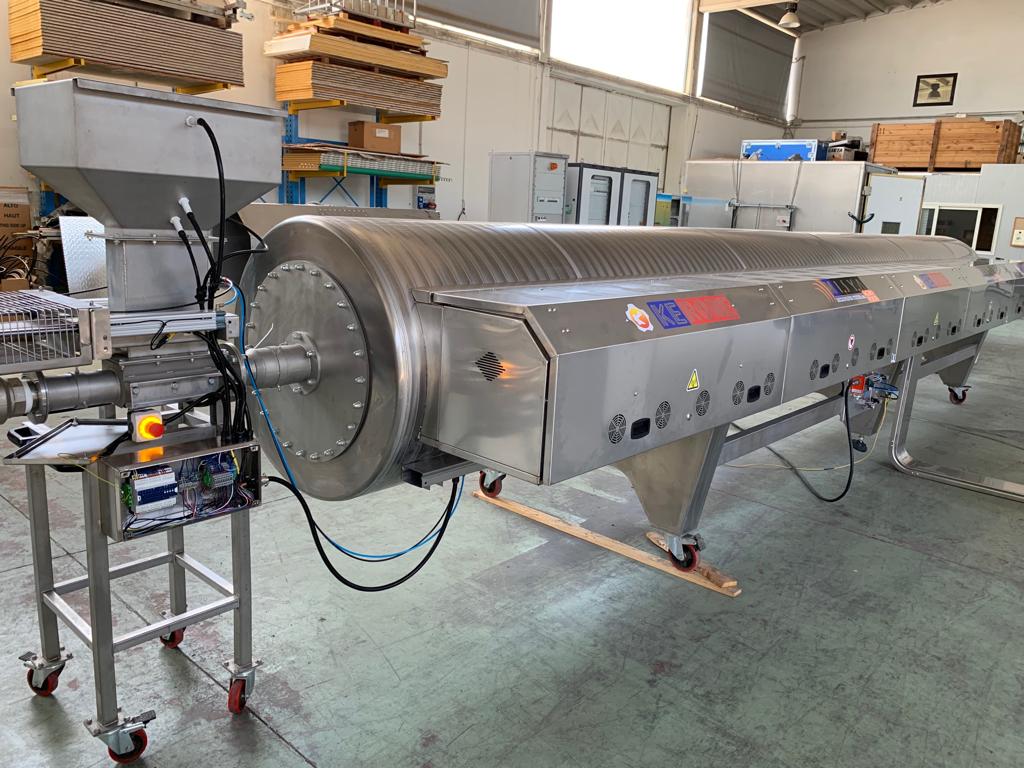
Microwave Sterilization and Disinfestations System
Click to view high-res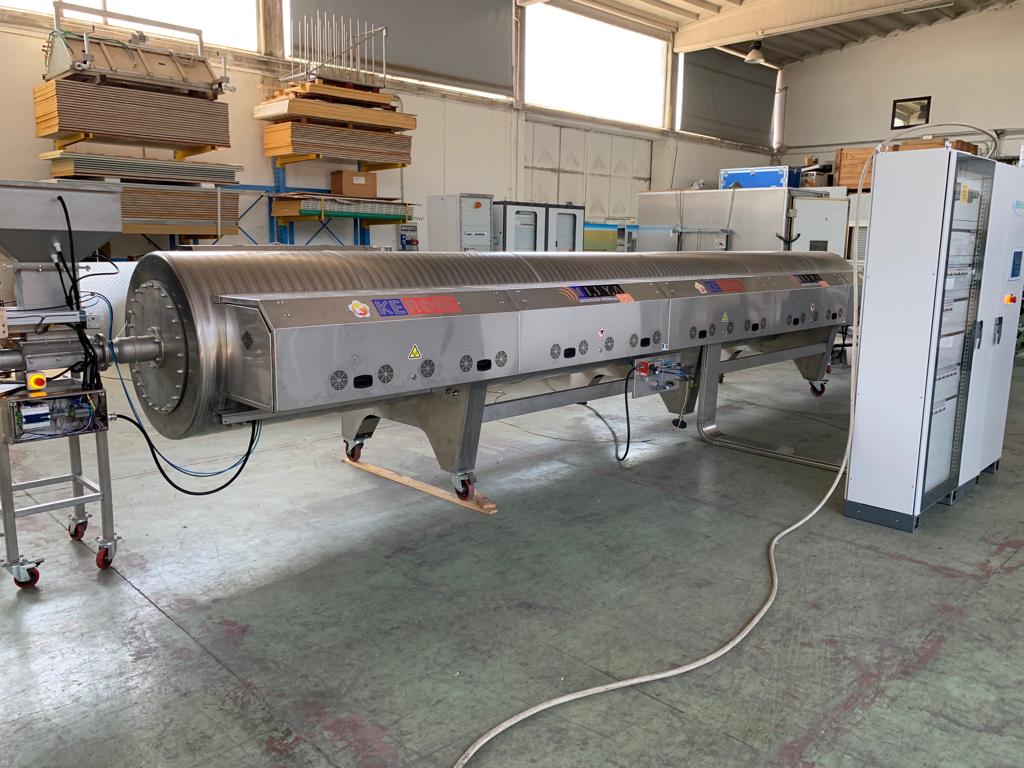
Microwave Sterilization and Disinfestations System
Click to view high-res
Microwave Sterilization and Disinfestations System
Click to view high-res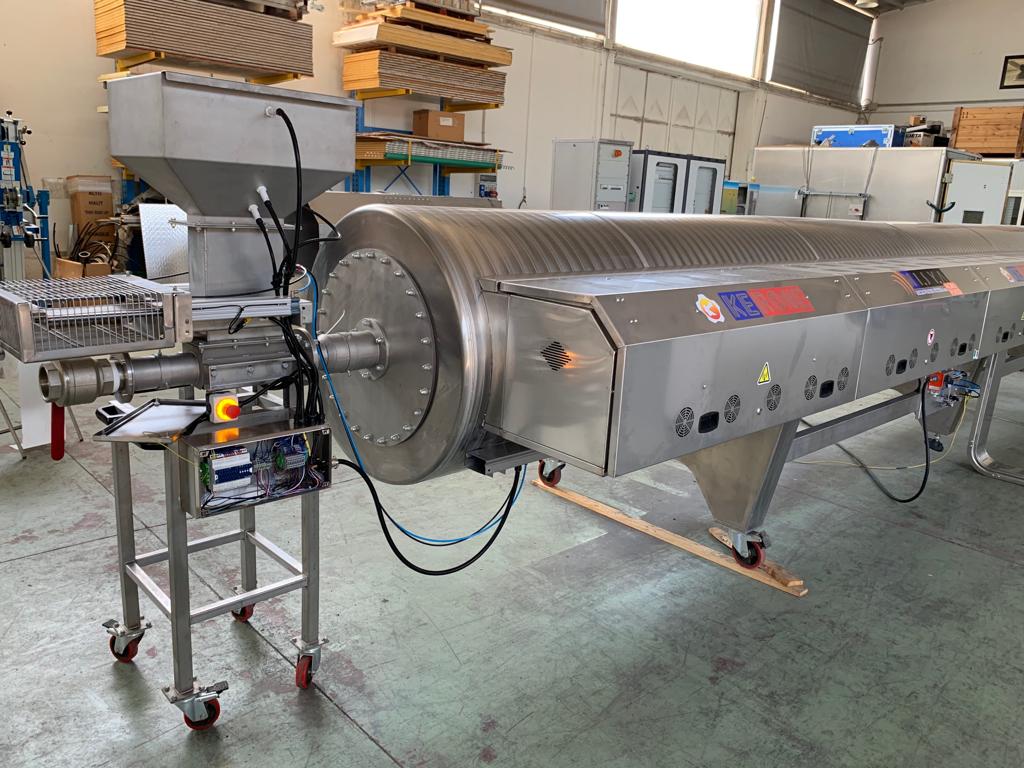
Microwave Sterilization and Disinfestations System
Click to view high-res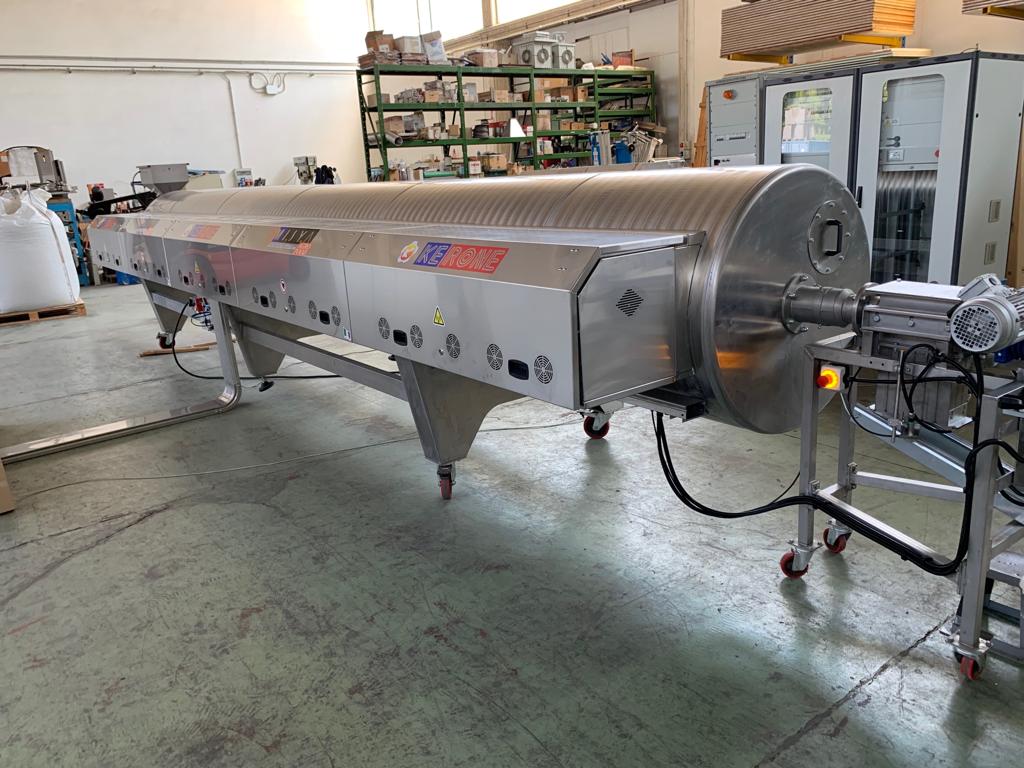
Microwave Sterilization and Disinfestations System
Click to view high-res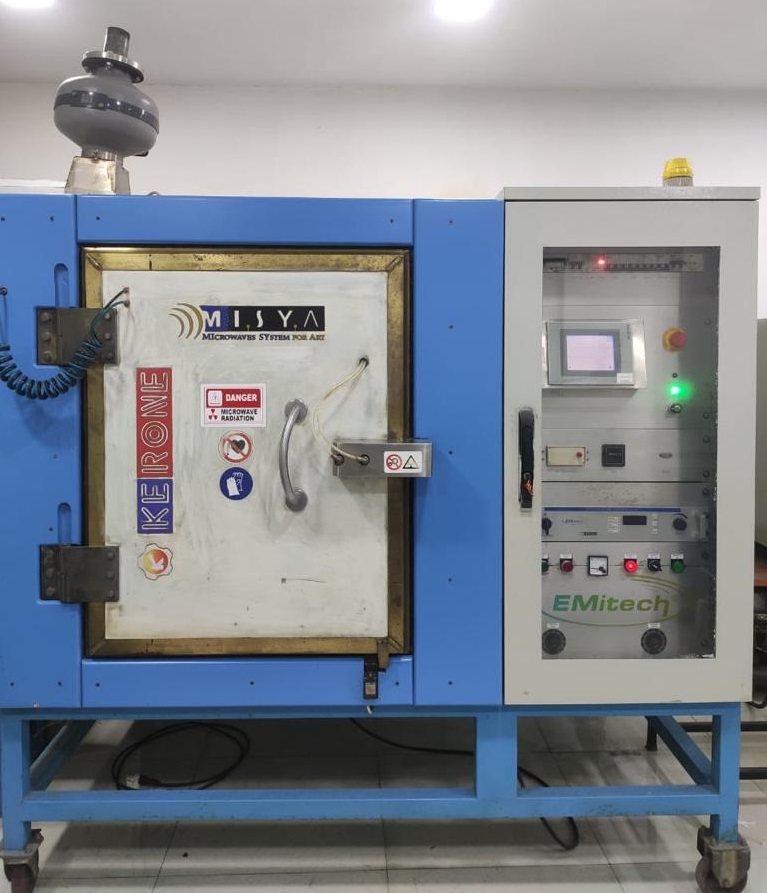
Microwave Sterilization and Disinfestations System
Click to view high-res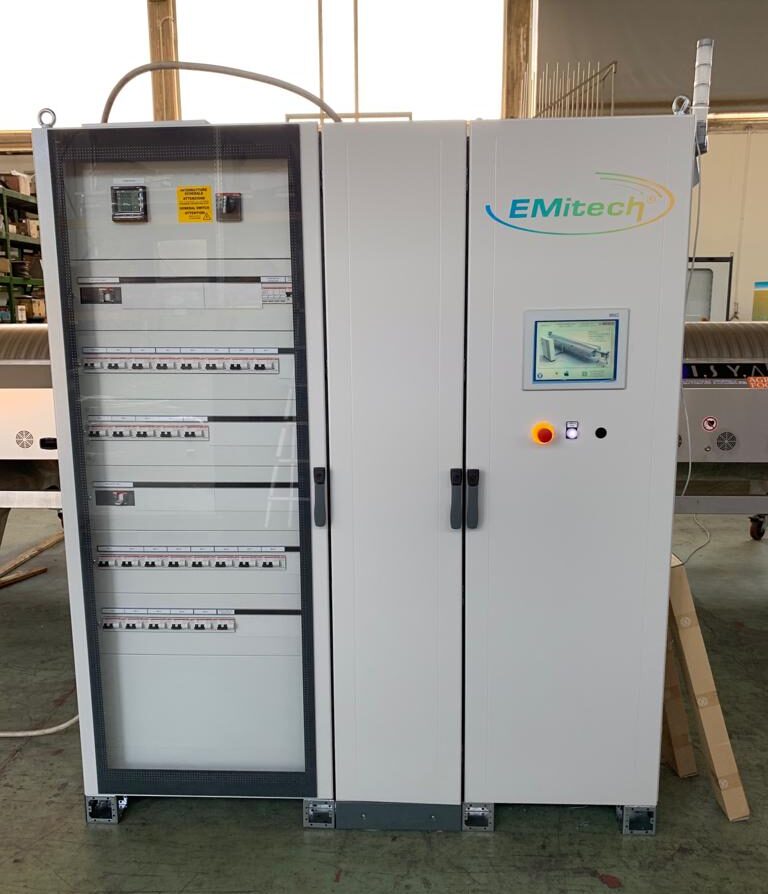
Microwave Sterilization and Disinfestations System
Click to view high-res50+ Years of Thermal Engineering Leadership.
Since 1976, Kerone Engineering Solutions has delivered over 5,000 custom-engineered thermal and process installations across 50+ countries. In technical collaboration with premier global institutions like CSIR-CEERI and University of Nottingham research partnerships, we design and manufacture high-efficiency machinery that minimizes production downtime and cuts operating expenses.
Unlike standard off-the-shelf equipment suppliers, Kerone operates a complete pilot-scale testing facility at our KRDC Ambernath center. We validate your exact raw material properties — determining moisture sorption isotherms, specific heat capacity, and dielectric behavior — before finalizing equipment sizing, ensuring zero risk during industrial scale-up.
Engineering precision, built into every system.
Fast Microbial and Pest Elimination
Fast microbial and pest elimination with deep penetration.
Uniform Heating Via Multi-mode
Uniform heating via multi-mode cavity design.
No Chemicals, No Fumigants, and
No chemicals, no fumigants, and no residues.
Preserves Nutritional Value
Preserves nutritional value, aroma, and organoleptic properties.
Adjustable Power Levels and
Adjustable power levels and temperature control.
Thermal Systems
Energy-efficient and cost-effective compared to thermal systems.
Stainless Steel Hygienic Construction
Stainless steel hygienic construction for food and pharma.
PLC-based Automation
PLC-based automation with safety interlocks.
Powered by AI, Machine Learning & Smart IoT Integration
Modern industrial processing requires unprecedented thermal precision, energy efficiency, and operational agility. Kerone equips each system with high-speed industrial edge computing controllers, multi-spectral non-contact infrared pyrometry, and proprietary closed-loop machine learning algorithms that continuously analyze process parameters in real time.
The intelligent automation stack monitors dynamic changes in incoming material load, bed thickness, moisture content, and environmental factors. In response, our algorithms dynamically adjust heater power arrays, generator frequency, conveyor drive velocities, and exhaust dampers within milliseconds — entirely eliminating product burn, under-processing, or thermal hotspotting.
Seamlessly integrated with factory-wide SCADA and enterprise ERP architectures via native MQTT, OPC-UA, and Modbus TCP protocols, our systems deliver complete digital recipe control, remote diagnostics, predictive maintenance alerting, and tamper-evident batch logs compliant with global FDA 21 CFR Part 11 and cGMP standards.
Adaptive Heat Modulation
Neural algorithms detect material thermal variations in real time (<50ms response) and tune generator frequency and power arrays automatically.
IoT Cloud Telemetry
Continuous bidirectional telemetry stream via MQTT/OPC-UA protocols directly to centralized plant SCADA, MES, or mobile engineer dashboards.
Predictive Maintenance
Monitors magnetron cathode current, vibration frequency signatures, and differential filter pressure to schedule AMC maintenance before failures occur.
Quality & Batch Traceability
Automated digital recipe execution, multi-stage temperature ramp/soak curves, and cryptographically signed electronic batch logs compliant with 21 CFR Part 11.
Engineered for High-Value Industrial Sectors
Tailored thermal and process configurations across continuous manufacturing lines.
Spices, herbs & seasonings
Achieves rapid microbial reduction and insect inactivation while preserving aroma, volatile oils, and natural colour.
Food grains, lentils, rice & wheat
Eliminates pests, larvae, and eggs deep inside grains without chemical fumigation or nutrient loss.
Tea, coffee, cocoa & powdered beverages
Ensures safe, residue-free sterilization while maintaining flavour notes, antioxidants, and powder flowability.
Pharmaceutical powders
Provides controlled sterilization of heat-sensitive drug powders with uniform penetration and no degradation.
Packaging sterilization
Sterilizes pouches, bottles, trays, and film rolls without moisture, chemicals, or deformation.
Nuts, seeds & cereals
Destroys moulds, fungi, and insects while retaining crunchiness, natural oils, and sensory qualities.
Dried fruits & dehydrated foods
Offers gentle sterilization and disinfestation that maintains texture, sweetness, and nutritional integrity.
Configured to Your Process Window
Technical parameter envelopes across industrial manufacturing and engineering architectures.
Frequently Asked Questions
Engineering answers regarding equipment sizing, integration, and process performance.
It destroys bacteria, fungi, spores, insects, and pests using volumetric microwave heating.
No, microwave sterilization preserves nutrients better than traditional heat.
Yes, it is a fully chemical-free and eco-safe alternative.
Yes, moisture enhances microwave absorption.
Microwave systems offer precise temperature control.
Yes, for high-volume industrial production.
No - compact systems are available.
Periodic inspection of magnetrons, conveyors, and chamber lining.
Regulatory-approved disinfestation generally requires the product to reach and hold a lethal temperature for insects, larvae, and eggs for a defined minimum duration, with the exact combination depending on the target pest species and its most heat-resistant life stage, which is often the egg or pupal stage. Kerone's process validation work includes biological challenge testing using the specific pest species relevant to a customer's commodity, mapping temperature distribution throughout the product mass to confirm even the coldest point in the load reaches the required lethal threshold for the necessary hold time. This temperature mapping is essential documentation for any facility seeking regulatory approval to replace chemical fumigation with microwave treatment.
Conventional steam sterilization exposes spices to moist heat for extended periods, and the combination of added moisture and prolonged thermal exposure accelerates the loss of volatile aromatic oils that give spices their characteristic flavor and fragrance. Microwave sterilization achieves the necessary microbial kill in substantially less time because heating occurs throughout the product mass simultaneously rather than depending on heat or steam penetrating from the surface inward. This shorter total thermal exposure, combined with the absence of added process moisture, reduces the time available for volatile compound loss, which is why spice processors specifically cite aroma and flavor retention as a primary driver for adopting microwave sterilization over steam alternatives.
Good candidates typically have moderate to high moisture content, since water is the primary medium through which microwave energy couples and generates heat, and a reasonably uniform particle size or packing density that allows even field penetration throughout the load. Materials that are extremely dry, have very low dielectric loss, or are packed in a way that creates significant density variation across the load can be more challenging to treat uniformly, sometimes requiring multi-frequency systems or pre-conditioning steps to achieve consistent results. Kerone evaluates each new material through trial processing and temperature mapping before recommending a specific system configuration, since dielectric behavior varies significantly even among visually similar products.
Consistency at higher throughput depends on maintaining the same dwell time and microwave field exposure per unit of product as conveyor speed and loading density change. This is managed through adjustable conveyor speed control synchronized with microwave power output, ensuring that as throughput increases, either belt speed or applied power is adjusted to maintain equivalent treatment dose per unit mass. Multi-mode cavity design also helps maintain field uniformity across a wider belt or higher product loading, since a poorly distributed field that worked acceptably at low throughput can reveal cold spots once load density increases. Validation at the target production throughput, not just at a lower pilot-scale rate, is essential before finalizing process parameters.
Yes, microwave sterilization of pre-packaged products is a well-established application, since microwave energy passes through most common packaging materials including certain plastics and paperboard without significant absorption, depositing its energy primarily in the moisture-containing product inside rather than the package itself. Packaging material selection does matter, since materials with metallic components or certain barrier coatings can reflect or absorb microwave energy unpredictably, potentially causing arcing or uneven heating. Compatibility testing with the specific packaging format is a standard step before finalizing a packaged-product sterilization process, ensuring the package itself is not deformed or compromised during treatment.
Many traditional fumigants used for stored product pest control face increasing regulatory restriction or phase-out due to occupational health and environmental concerns, creating pressure on facilities to identify alternative treatment methods. Microwave sterilization and disinfestation offers a chemical-free pathway that addresses both microbial safety and pest control in a single processing step, eliminating fumigant handling, off-gassing periods, and residue testing requirements associated with chemical treatment. Facilities transitioning away from fumigants also gain the operational benefit of immediate product availability after treatment, since there is no aeration or off-gassing waiting period required before the product can be packaged or shipped, unlike many chemical fumigation protocols.

Let’s Engineer the Right Process.
From application trials to full-scale production systems, our engineering team works with you to develop the right thermal processing solution for your material, throughput, and production requirements.