Imperial and Band Dryers
Hot air is circulated from downward or upward or in a combination of both in order to improve equality in treatment. Band dryers are commonly fitted with the feeding, spreading, cleaning, heating and cooling sections.
Engineered precision for Imperial and Band Dryers.
Hot air is circulated from downward or upward or in a combination of both in order to improve equality in treatment. Band dryers are commonly fitted with the feeding, spreading, cleaning, heating and cooling sections. Band dryer designed and crafted by Kerone are suitable for any type of product like fragile, sticky, pasty products or products requiring long and accurate residence time.
With over five decades of expertise, Kerone has established itself as a global leader in designing and manufacturing imperial and band dryers tailored to industrial needs. The imperial and band dryers are engineered to provide rapid and efficient drying through innovative heat transfer methods, ensuring precise moisture control and uniform output quality.
Our advanced AI, ML, and IoT technologies, this solution delivers smarter automation, real-time insights, and predictive intelligence to enhance efficiency and drive future-ready growth.
Continuous tracking of process parameters with instant adjustments.
Intelligent fault detection to prevent failures before they occur.
Dynamic tuning of operations for maximum output and efficiency.
The thermodynamic architecture of our Imperial and Band Dryers incorporates advanced thermal modeling and computational fluid dynamics (CFD) to ensure optimal heat and mass transfer across the entire processing zone. By precisely controlling thermal gradients, air velocity profiles, and direct energy delivery mechanisms, the system achieves uniform treatment while preventing localized overheating, product degradation, or thermal stress. This balance of intensive heat transfer and controlled retention time ensures maximum operational throughput with minimal specific energy consumption.
Built with heavy-duty structural engineering and sanitary metallurgy, each unit is manufactured to withstand continuous 24/7 industrial operating conditions. Contact surfaces are finished in high-grade stainless steel (SS 304, SS 316L, or corrosion-resistant alloys) with sanitary mirror-polish options, CIP/SIP washdown provisions, and hermetic chamber sealing. This guarantees full compliance with stringent international hygiene, CE machinery directives, and cGMP standards across food, pharmaceutical, specialty chemical, and heavy manufacturing applications.
Proprietary control algorithms ensure strict process repeatability, while built-in safety interlocks and electromagnetic shielding comply with international CE and OSHA standards. Full process development support — including material loss tangent testing, moisture sorption isotherms, and pilot trials at our Ambernath R&D facility — ensures the selected technology matches your exact industrial throughput goals.
Product & Systems Gallery
Explore authentic high-resolution photographs of industrial machinery, pilot trial rigs, and continuous turnkey processing installations engineered by Kerone Engineering Solutions for Imperial and Band Dryers. Each system is fabricated at our ISO 9001:2015 certified manufacturing facilities with precision laser cutting, robotic welding, and stringent Factory Acceptance Testing (FAT).
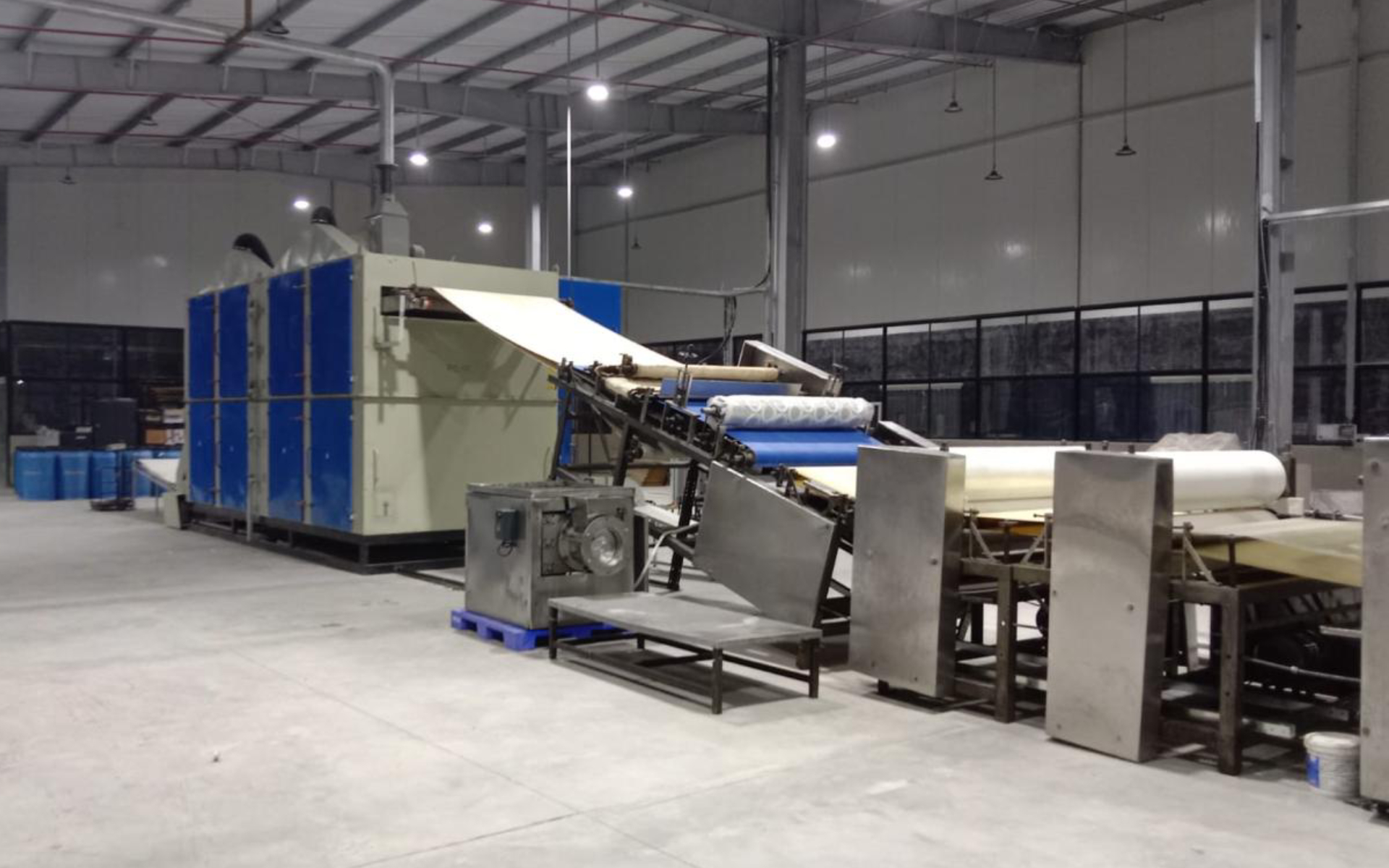
Imperial and Band Dryers
Click to view high-res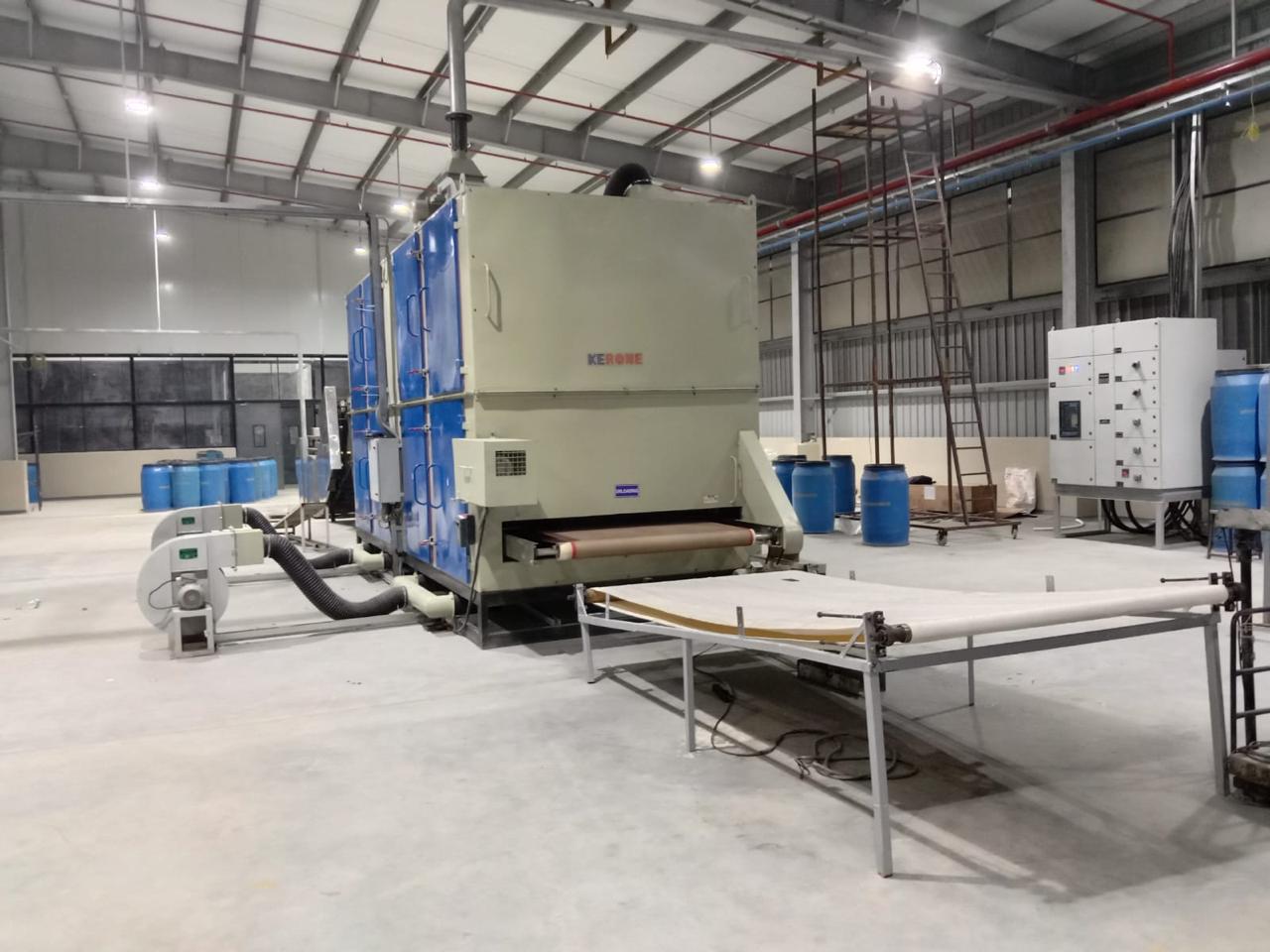
Imperial and Band Dryers
Click to view high-res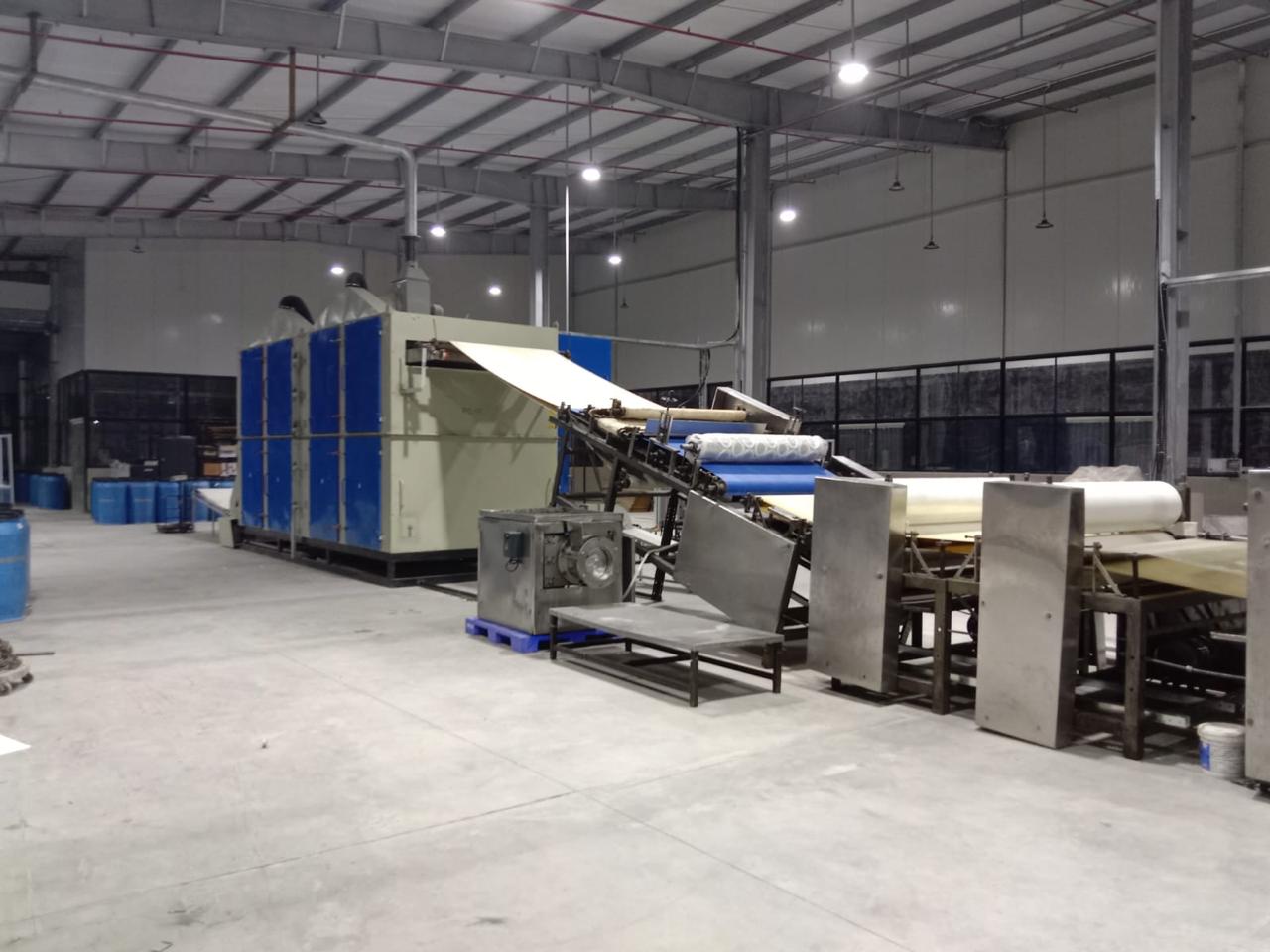
Imperial and Band Dryers
Click to view high-res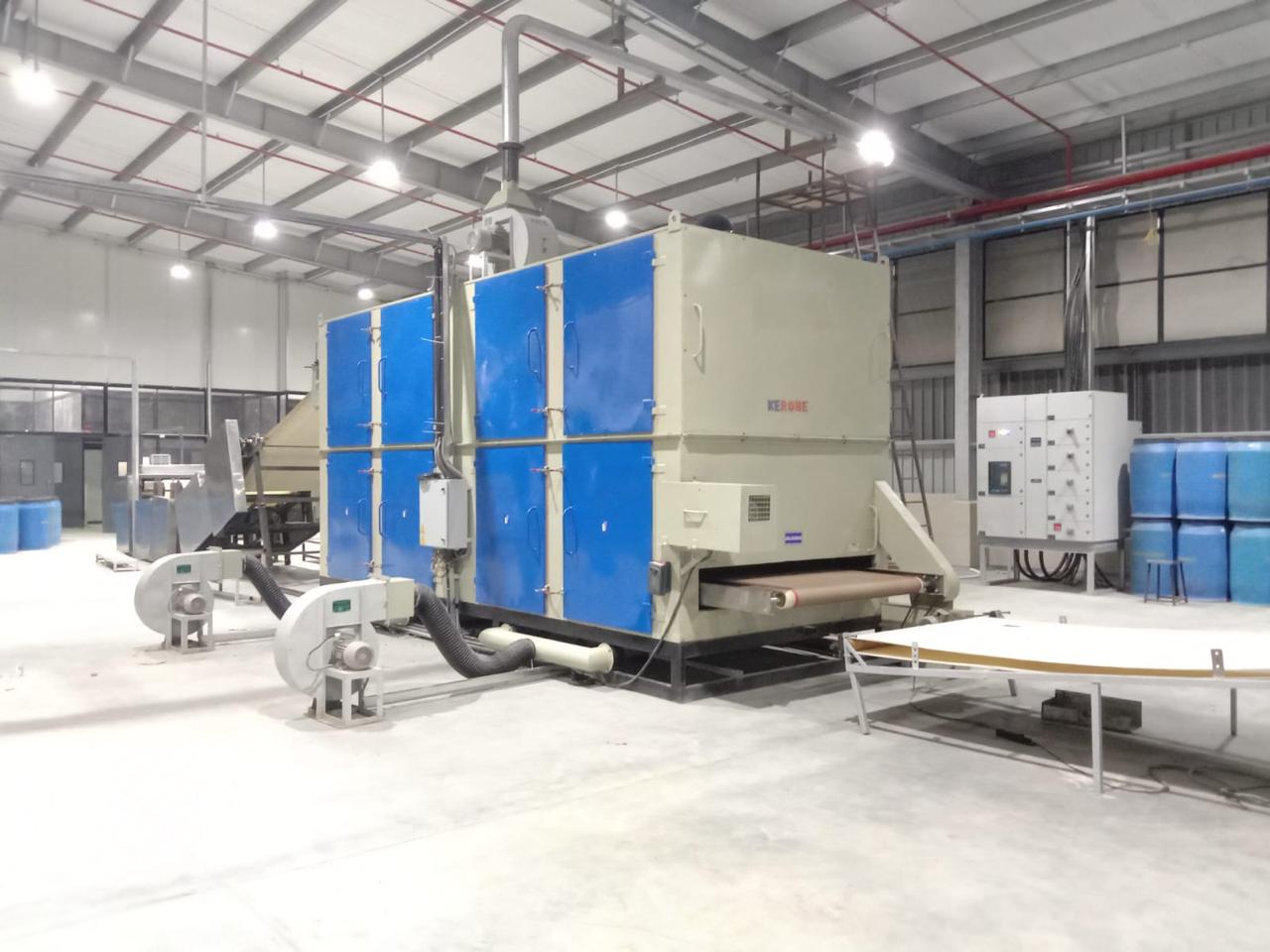
Imperial and Band Dryers
Click to view high-res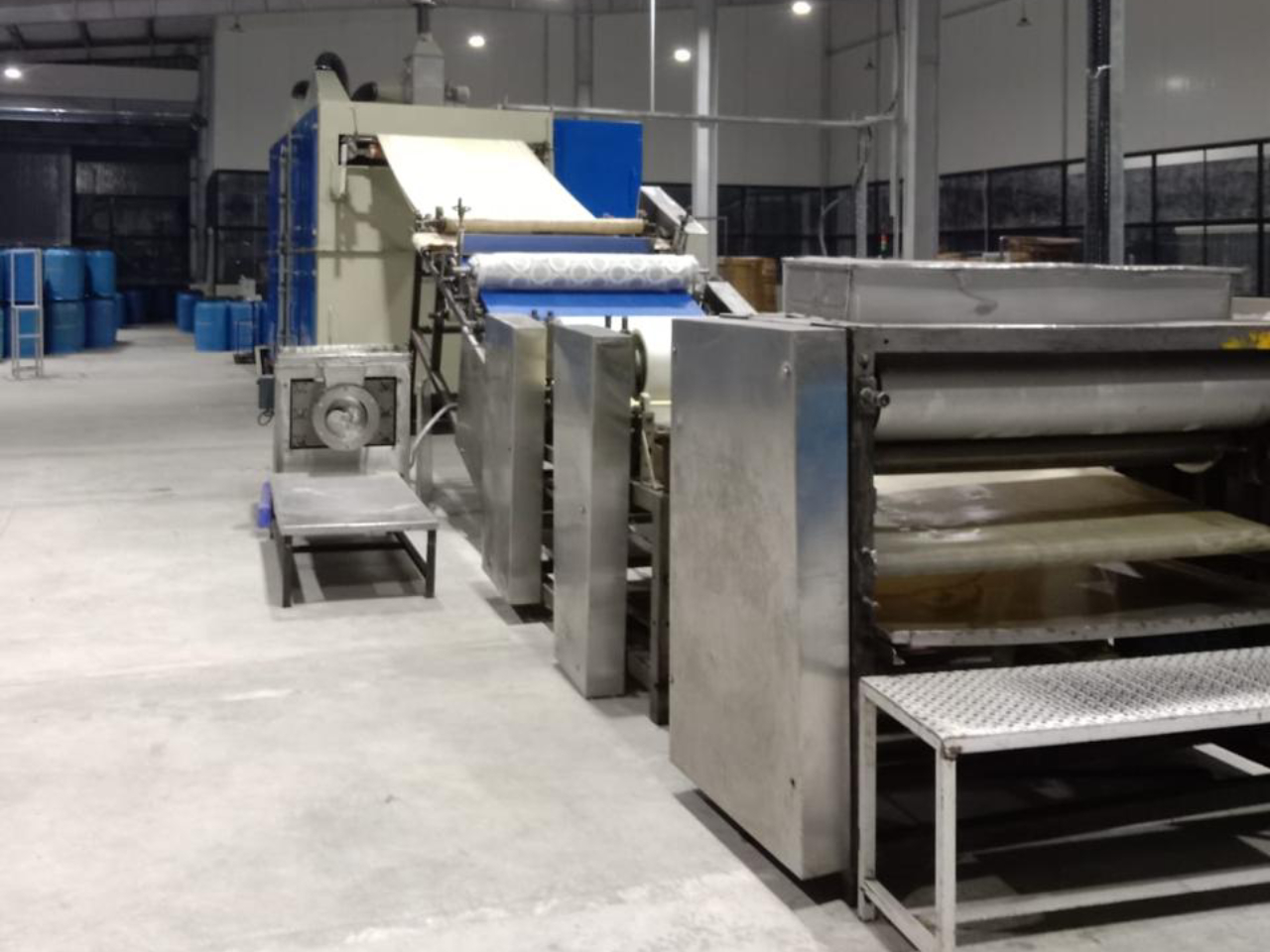
Imperial and Band Dryers
Click to view high-res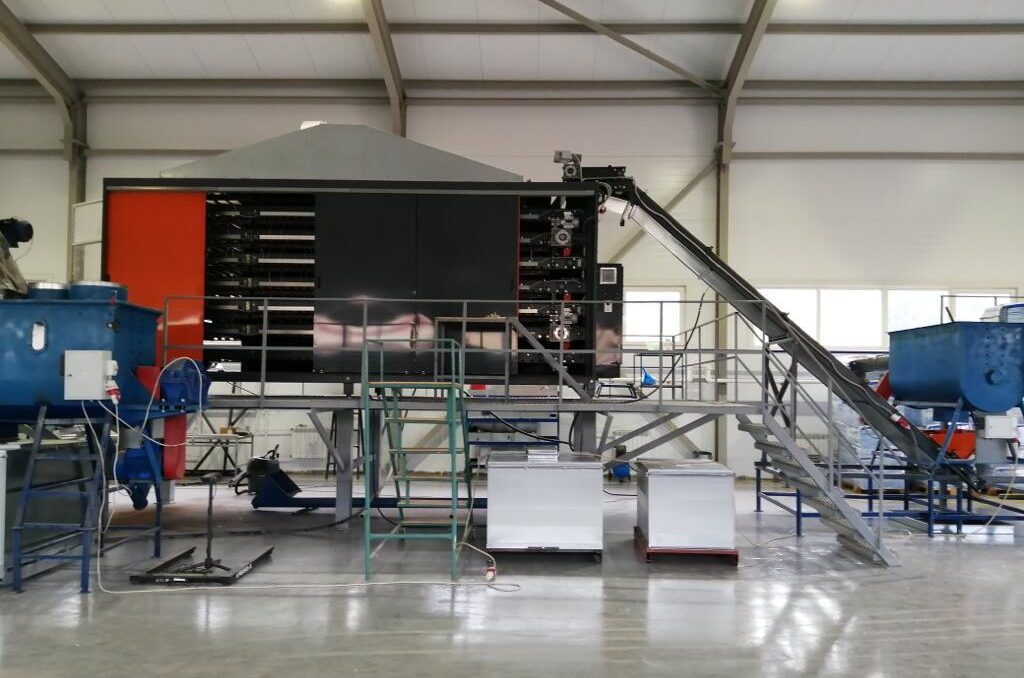
Imperial and Band Dryers
Click to view high-res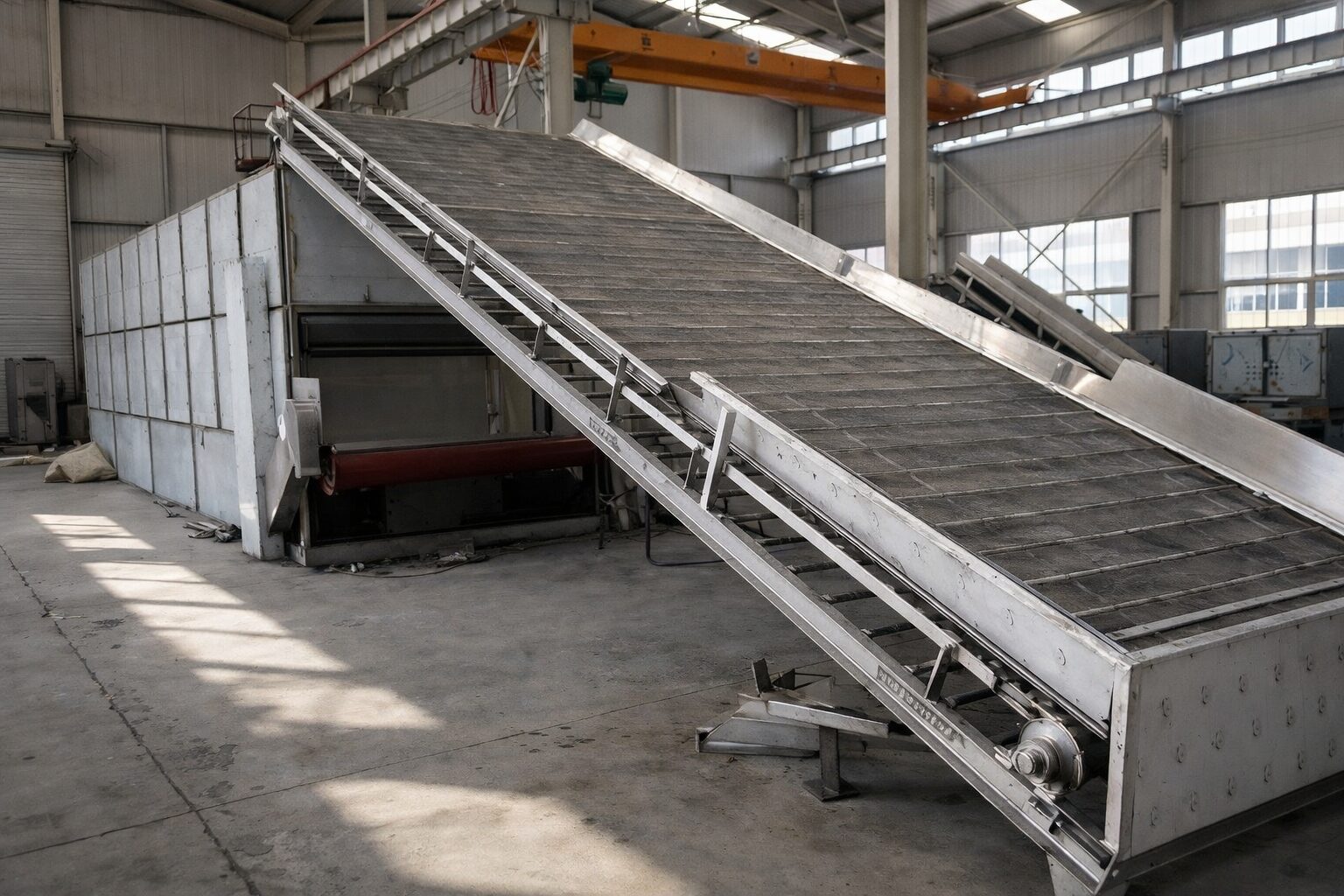
Imperial and Band Dryers
Click to view high-res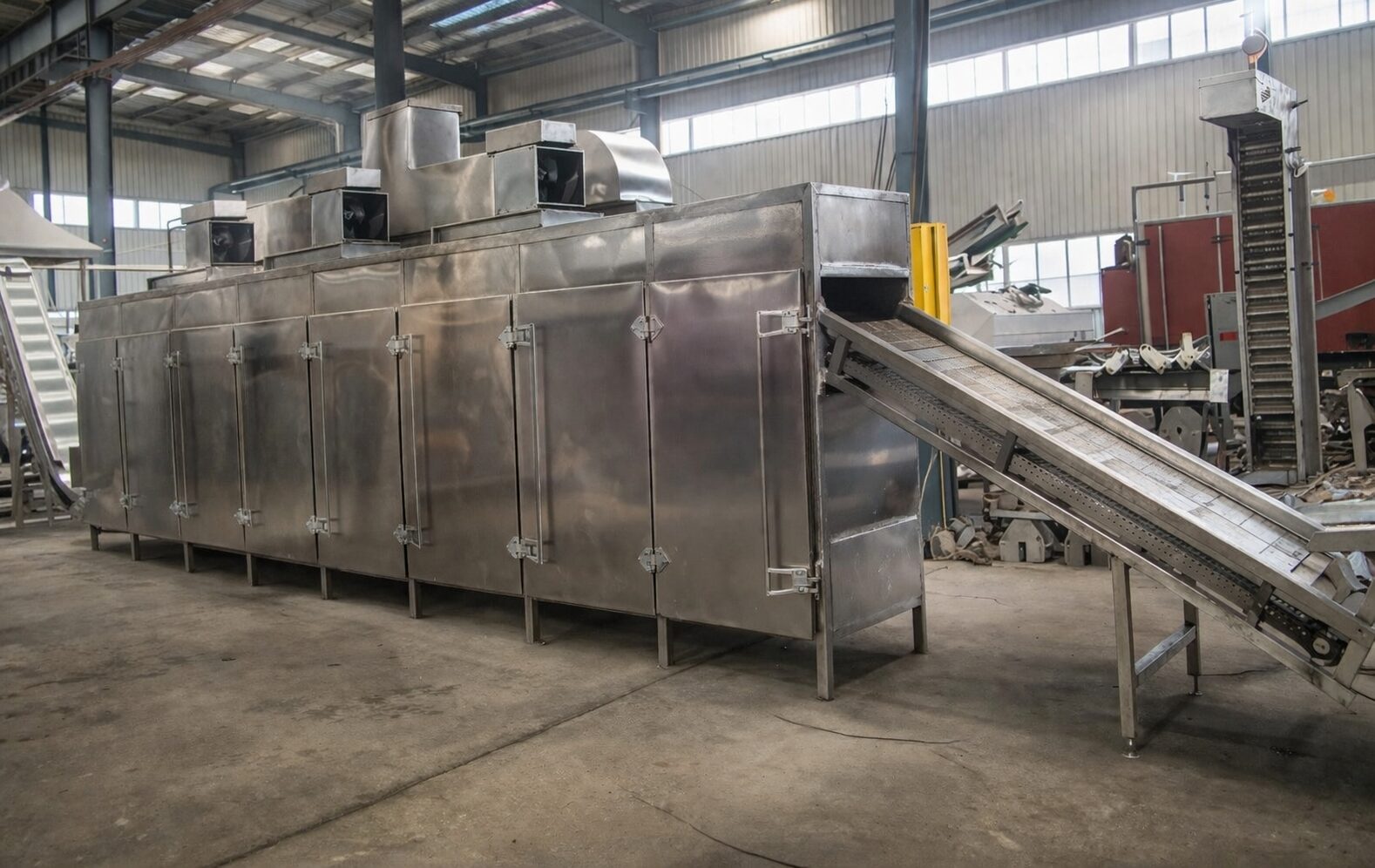
Imperial and Band Dryers
Click to view high-res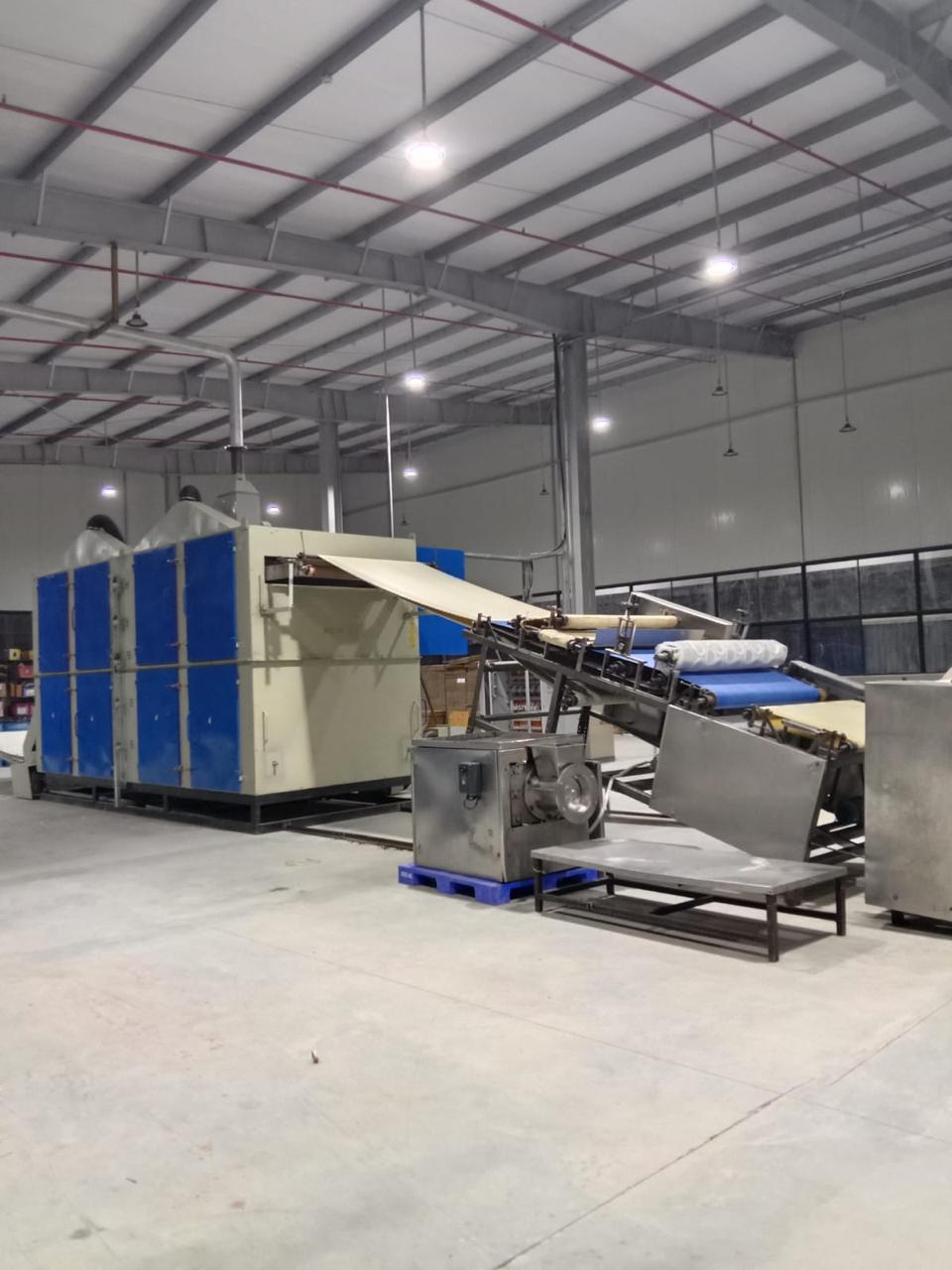
Imperial and Band Dryers
Click to view high-res50+ Years of Thermal Engineering Leadership.
Since 1976, Kerone Engineering Solutions has delivered over 5,000 custom-engineered thermal and process installations across 50+ countries. In technical collaboration with premier global institutions like CSIR-CEERI and University of Nottingham research partnerships, we design and manufacture high-efficiency machinery that minimizes production downtime and cuts operating expenses.
Unlike standard off-the-shelf equipment suppliers, Kerone operates a complete pilot-scale testing facility at our KRDC Ambernath center. We validate your exact raw material properties — determining moisture sorption isotherms, specific heat capacity, and dielectric behavior — before finalizing equipment sizing, ensuring zero risk during industrial scale-up.
Engineering precision, built into every system.
Easy Multi-Zoning
Temperature, humidity, and airflow speed can be easily set and independently controlled for each drying zone.
Uniform Heat Transfer
Precise residence time adjustment ensures consistent heat transfer and even moisture removal across product bed.
Clean & Low-Dust Drying
Materials move at continuous uniform speed with minimal mechanical attrition and low particulate emissions.
Multi-Stage Configuration
Available in single-stage or multi-stage stacked passes to multiply drying capacity within a compact floor space.
Automated Process Control
PLC and touchscreen HMI integration with automated belt speed modulation and temperature regulation.
Robust Heavy-Duty Build
Heavy-gauge stainless steel (SS304/SS316) construction designed for 24/7 continuous industrial operation.
Powered by AI, Machine Learning & Smart IoT Integration
Modern industrial processing requires unprecedented thermal precision, energy efficiency, and operational agility. Kerone equips each system with high-speed industrial edge computing controllers, multi-spectral non-contact infrared pyrometry, and proprietary closed-loop machine learning algorithms that continuously analyze process parameters in real time.
The intelligent automation stack monitors dynamic changes in incoming material load, bed thickness, moisture content, and environmental factors. In response, our algorithms dynamically adjust heater power arrays, generator frequency, conveyor drive velocities, and exhaust dampers within milliseconds — entirely eliminating product burn, under-processing, or thermal hotspotting.
Seamlessly integrated with factory-wide SCADA and enterprise ERP architectures via native MQTT, OPC-UA, and Modbus TCP protocols, our systems deliver complete digital recipe control, remote diagnostics, predictive maintenance alerting, and tamper-evident batch logs compliant with global FDA 21 CFR Part 11 and cGMP standards.
Adaptive Heat Modulation
Neural algorithms detect material thermal variations in real time (<50ms response) and tune generator frequency and power arrays automatically.
IoT Cloud Telemetry
Continuous bidirectional telemetry stream via MQTT/OPC-UA protocols directly to centralized plant SCADA, MES, or mobile engineer dashboards.
Predictive Maintenance
Monitors magnetron cathode current, vibration frequency signatures, and differential filter pressure to schedule AMC maintenance before failures occur.
Quality & Batch Traceability
Automated digital recipe execution, multi-stage temperature ramp/soak curves, and cryptographically signed electronic batch logs compliant with 21 CFR Part 11.
Engineered for High-Value Industrial Sectors
Tailored thermal and process configurations across continuous manufacturing lines.
Food & Dairy
Milk powder, starch, coffee, fruit pulp, sliced vegetables, and extruded snacks drying.
Chemical Industry
Moisture removal from pigments, catalysts, polymer granules, and specialty chemical powders.
Pharmaceuticals
Low-temperature continuous drying of extracts, granules, and heat-sensitive active ingredients.
Textiles & Non-Woven
Removal of residual moisture from fabrics, continuous yarn bundles, and non-woven fibers.
Agro & Feeds
Drying of grains, seeds, pet food kibble, animal feed pellets, and organic fertilizers.
Fish & Marine Products
Gentle low-temperature dehydration of fish, marine biomass, and seafood delicacies.
Configured to Your Process Window
Technical parameter envelopes across industrial manufacturing and engineering architectures.
Frequently Asked Questions
Engineering answers regarding equipment sizing, integration, and process performance.
A imperial and band dryers is a system that removes moisture using controlled heat and airflow for uniform drying results.
It operates through a process of heat transfer and air circulation to evaporate moisture from materials efficiently.
It provides high efficiency, uniform drying, and low energy consumption.
Industries such as food, chemical, pharmaceutical, and textile rely heavily on these dryers.
Yes, Kerone designs systems tailored to specific process and material needs.
The design ensures quick cleaning and minimal servicing requirements.
Kerone’s systems are optimized for reduced power consumption and higher heat utilization.
Yes, belt speed, airflow, and temperature can be tailored to product needs.
A multi-pass band dryer routes the product conveyor belt through multiple horizontal passes, stacked vertically within a single dryer housing before the product exits. This means the effective drying length is multiplied by the number of passes without extending the dryer footprint. A three-pass configuration provides three times the residence time of a single-pass unit of the same physical length. This is particularly valuable in retrofitting drying capacity into existing production buildings where floor space is limited. The product transfers between passes by gravity or guided chutes, which also provides gentle mixing that can improve drying uniformity on the lower passes.
Band dryer belts are specified based on the product characteristics, operating temperature, and hygiene requirements. Woven wire mesh belts in stainless steel are standard for food-grade and high-temperature applications, the open mesh structure allows airflow through the product bed, maximising drying efficiency. Plastic modular belts offer food-grade compliance at lower temperatures and are easier to clean. Rubber-coated or solid belts are used when fine particles cannot fall through the mesh. Belt pitch, wire diameter, and mesh aperture are selected to balance product support (preventing small particles from falling through) with adequate open area for airflow. The belt is a significant wear item and should be specified with the product contact and cleaning requirements clearly defined.
Band dryers excel in food and agricultural applications where the product is a discrete piece or granule that would be damaged by tumbling or agitation. Sliced vegetables, fruit pieces, pasta, biscuits, pet food kibble, extruded snacks, fish, meat strips, and herb leaves are processed on band dryers where the product travels through the drying zones undisturbed. The dryer's ability to control residence time precisely by adjusting belt speed, combined with independent temperature and airflow control in each zone, makes it possible to match the drying curve of almost any product. This combination of gentle handling and process flexibility is difficult to replicate in rotary or fluidised bed dryers for piece-form products.
The drying process has two distinct phases: a constant-rate period where surface moisture evaporates rapidly and temperature can be applied more aggressively, followed by a falling-rate period where bound internal moisture migrates slowly to the surface and overheating causes case-hardening or colour damage. Multi-zone band dryers are configured so that the first one or two zones operate at higher temperatures to drive off free moisture quickly, while the later zones reduce temperature and increase recirculation to gently draw out residual moisture without damaging the product structure. For thermally sensitive products like dried herbs or spices, a final cool-down zone before the product exits also prevents condensation during downstream packaging.
Even product distribution across the full width of the conveyor belt is critical for uniform drying. Irregular feed distribution leaves some areas of the belt thinly covered and others over-loaded, creating dry and wet zones within the same batch. Kerone addresses this with engineered product distributors at the feed inlet - vibratory spreaders, oscillating chutes, or levelling rolls that spread the product uniformly across the belt width. Photo-electric sensors can detect distribution anomalies and adjust the spreader in real time. For sticky or cohesive products prone to bridging, the feed hopper is fitted with agitators or vibrators to maintain consistent flow onto the belt without interruption.
A band dryer uses a continuously moving permeable conveyor belt that allows drying air to pass through the product layer, from above and below. A tunnel dryer typically moves product through the tunnel on trays, trolleys, or hangers without forced through-flow of air through the product bed itself. Band dryers achieve much better drying uniformity for granular or particulate products because the air contacts all surfaces more uniformly. Tunnel dryers are preferred for large, solid, or surface-coated articles - pottery, painted panels, printed boards where the product form does not allow through-airflow. If your product can be spread onto a permeable belt, a band dryer will generally out-perform a tunnel dryer on drying efficiency and batch-to-batch consistency.
Food-grade band dryers must be designed for cleanability from the outset, not retrofitted. This means stainless steel construction with sealed welds, rounded internal corners with generous radii, removable belt sections, hinged access panels on all sides, and spray-down nozzle ports for CIP (clean-in-place) or manual wash-down. The conveyor belt must be removable or at minimum accessible along its full length for manual cleaning. Drainage points should be positioned to prevent water pooling. HACCP compliance requires that all lubricants are food-grade (NSF H1 rated), and that no lubricant application points are positioned above the product contact zone. Cleaning validation requires documentation of the CIP or wash-down procedure, water temperature, and detergent concentration.

Let’s Engineer the Right Process.
From application trials to full-scale production systems, our engineering team works with you to develop the right thermal processing solution for your material, throughput, and production requirements.