
Microwave Heating For Rubber
At Kerone, we are helping many rubber processing giants with its highly advanced and sophisticated microwave based heating solutions for vulcanization processing.
Engineered precision for Microwave Heating For Rubber.
At Kerone, we are helping many rubber processing giants with its highly advanced and sophisticated microwave based heating solutions for vulcanization processing. Vulcanization is process under which the natural rubber or rubber polymer is converted into more durable and mechanically strengthen rubber.
This process results in changing the cross-linking bonds within the natural rubber and making bonds more strong and non-sticky. Vulcanization curing is achieved by heating the natural rubber or rubber polymer at very high temperature along with sulphur or any other agent, such high level of temperature rise results into changing of bond within the rubber and resulting in non-sticky, maker it lesser deformable when heated, and removes the brittleness this helps rubber to achieve the desired level of elasticity.
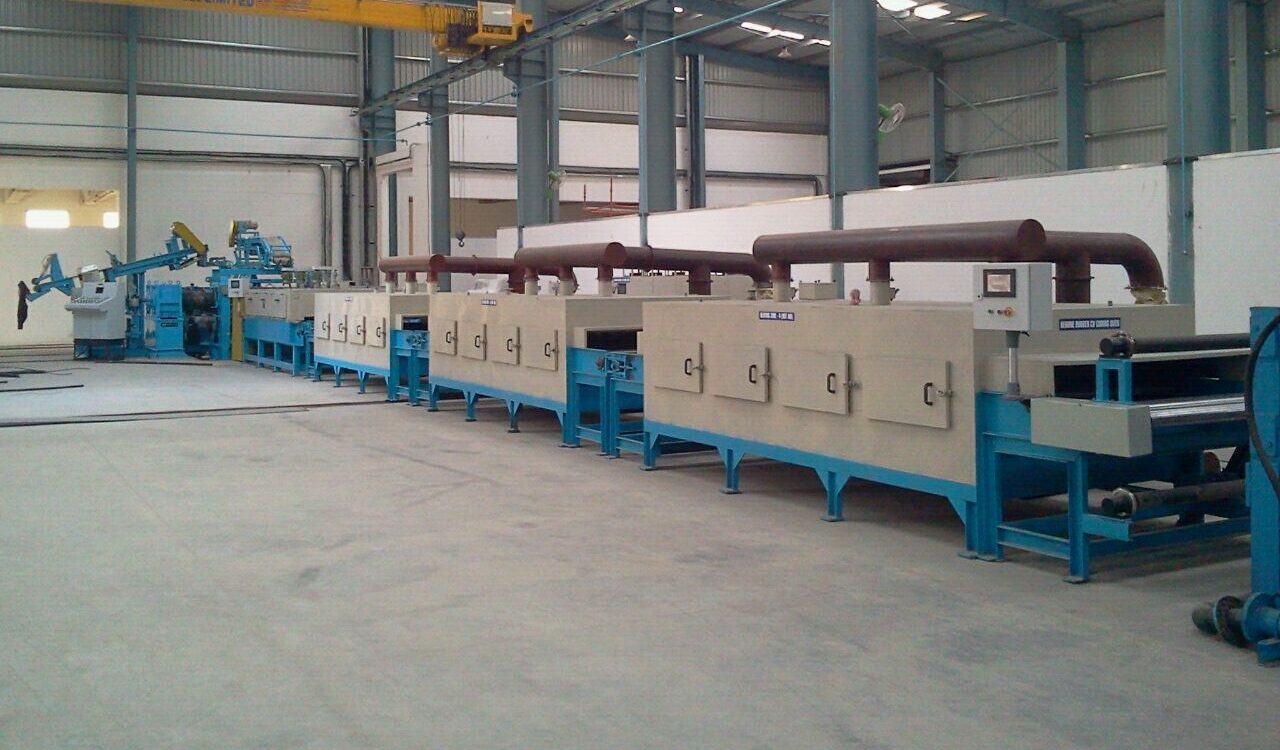
Kerone’s microwave-based vulcanization systems have proven to be superior to conventional hot air heating processes. In continuous vulcanization, when the curing package is placed inside microwave heaters, the microwave energy directly targets the internal moisture within the rubber. This results in faster and more uniform curing compared to hot air systems, which heat only from the surface.
Kerone supports rubber manufacturers with advanced microwave-based electromagnetic heating solutions. Microwaves penetrate deep into rubber material and energize internal moisture molecules, resulting in faster and higher-quality processing. Preheating reduces internal tension within rubber before molding and vulcanization, improving flow characteristics and reducing overall curing time by approximately 40%.
With over 40 years of experience, Kerone provides advanced microwave-based rubber extrusion curing systems. Since rubber is a poor conductor of conventional heat, surface heating methods often fail to cure evenly. Microwave technology heats from within, ensuring consistent and efficient curing of extruded rubber products. Kerone also supplies complete extrusion lines with varying screw sizes to meet diverse production requirements.
Our advanced AI, ML, and IoT technologies, this solution delivers smarter automation, real-time insights, and predictive intelligence to enhance efficiency and drive future-ready growth.
The thermodynamic architecture of our Microwave Heating For Rubber incorporates advanced thermal modeling and computational fluid dynamics (CFD) to ensure optimal heat and mass transfer across the entire processing zone. By precisely controlling thermal gradients, air velocity profiles, and direct energy delivery mechanisms, the system achieves uniform treatment while preventing localized overheating, product degradation, or thermal stress. This balance of intensive heat transfer and controlled retention time ensures maximum operational throughput with minimal specific energy consumption.
Built with heavy-duty structural engineering and sanitary metallurgy, each unit is manufactured to withstand continuous 24/7 industrial operating conditions. Contact surfaces are finished in high-grade stainless steel (SS 304, SS 316L, or corrosion-resistant alloys) with sanitary mirror-polish options, CIP/SIP washdown provisions, and hermetic chamber sealing. This guarantees full compliance with stringent international hygiene, CE machinery directives, and cGMP standards across food, pharmaceutical, specialty chemical, and heavy manufacturing applications.
Proprietary control algorithms ensure strict process repeatability, while built-in safety interlocks and electromagnetic shielding comply with international CE and OSHA standards. Full process development support — including material loss tangent testing, moisture sorption isotherms, and pilot trials at our Ambernath R&D facility — ensures the selected technology matches your exact industrial throughput goals.
Product & Systems Gallery
Explore authentic high-resolution photographs of industrial machinery, pilot trial rigs, and continuous turnkey processing installations engineered by Kerone Engineering Solutions for Microwave Heating For Rubber. Each system is fabricated at our ISO 9001:2015 certified manufacturing facilities with precision laser cutting, robotic welding, and stringent Factory Acceptance Testing (FAT).
Microwave Heating For Rubber
Click to view high-res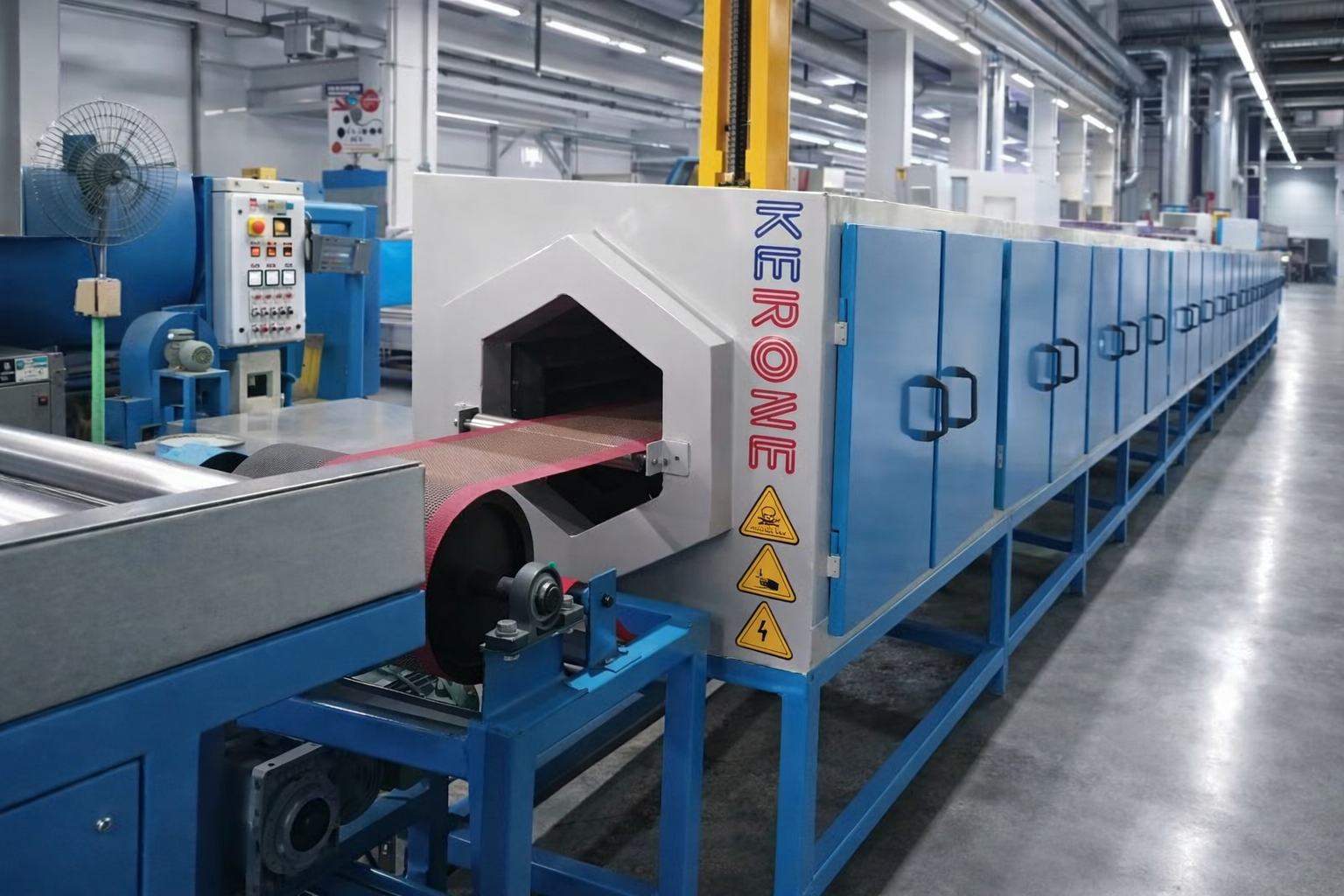
Microwave Heating For Rubber
Click to view high-res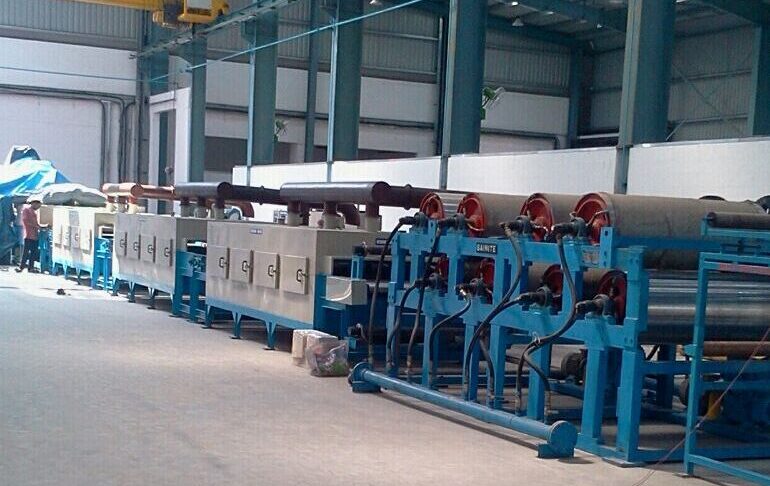
Microwave Heating For Rubber
Click to view high-res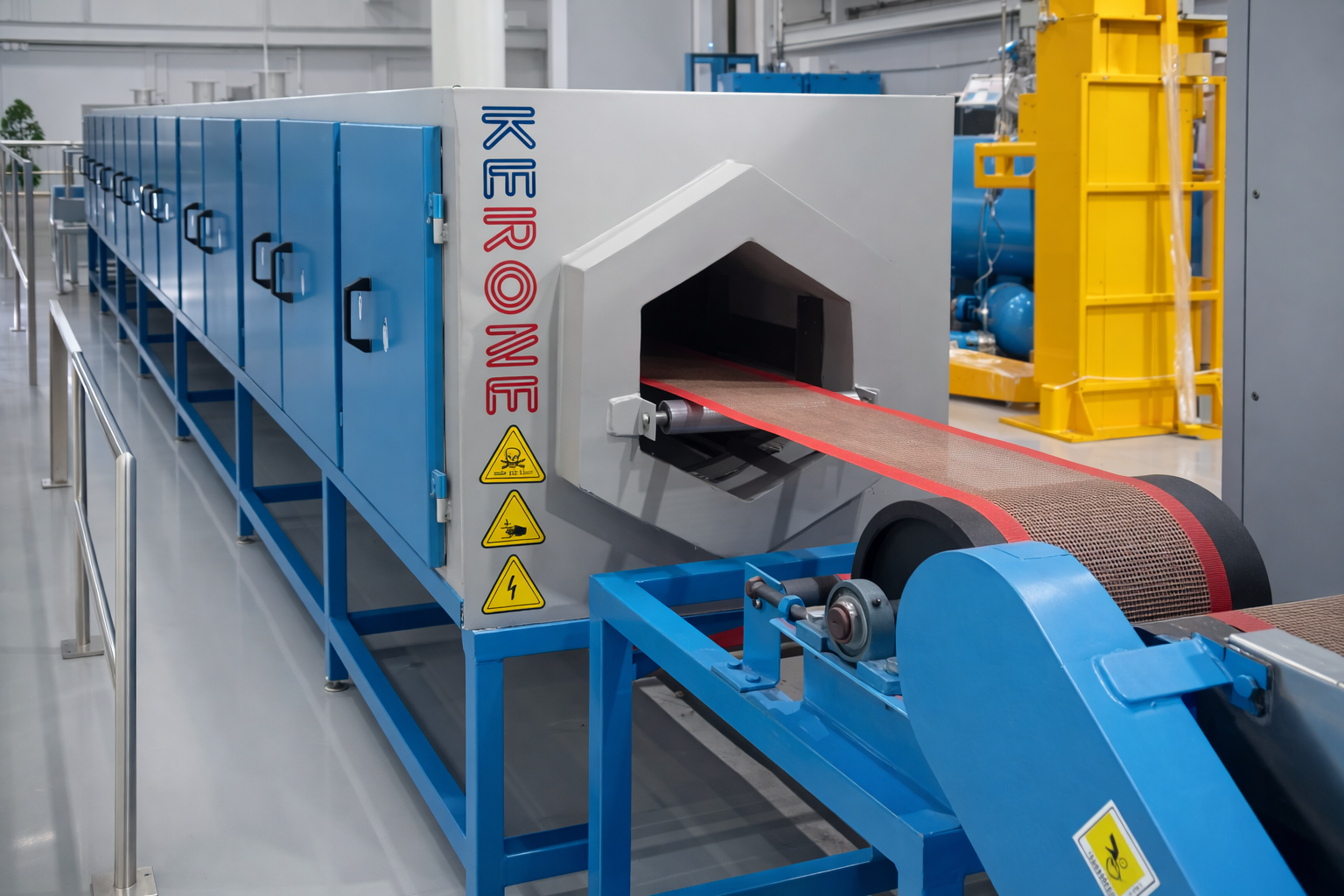
Microwave Heating For Rubber
Click to view high-res
Microwave Heating For Rubber
Click to view high-res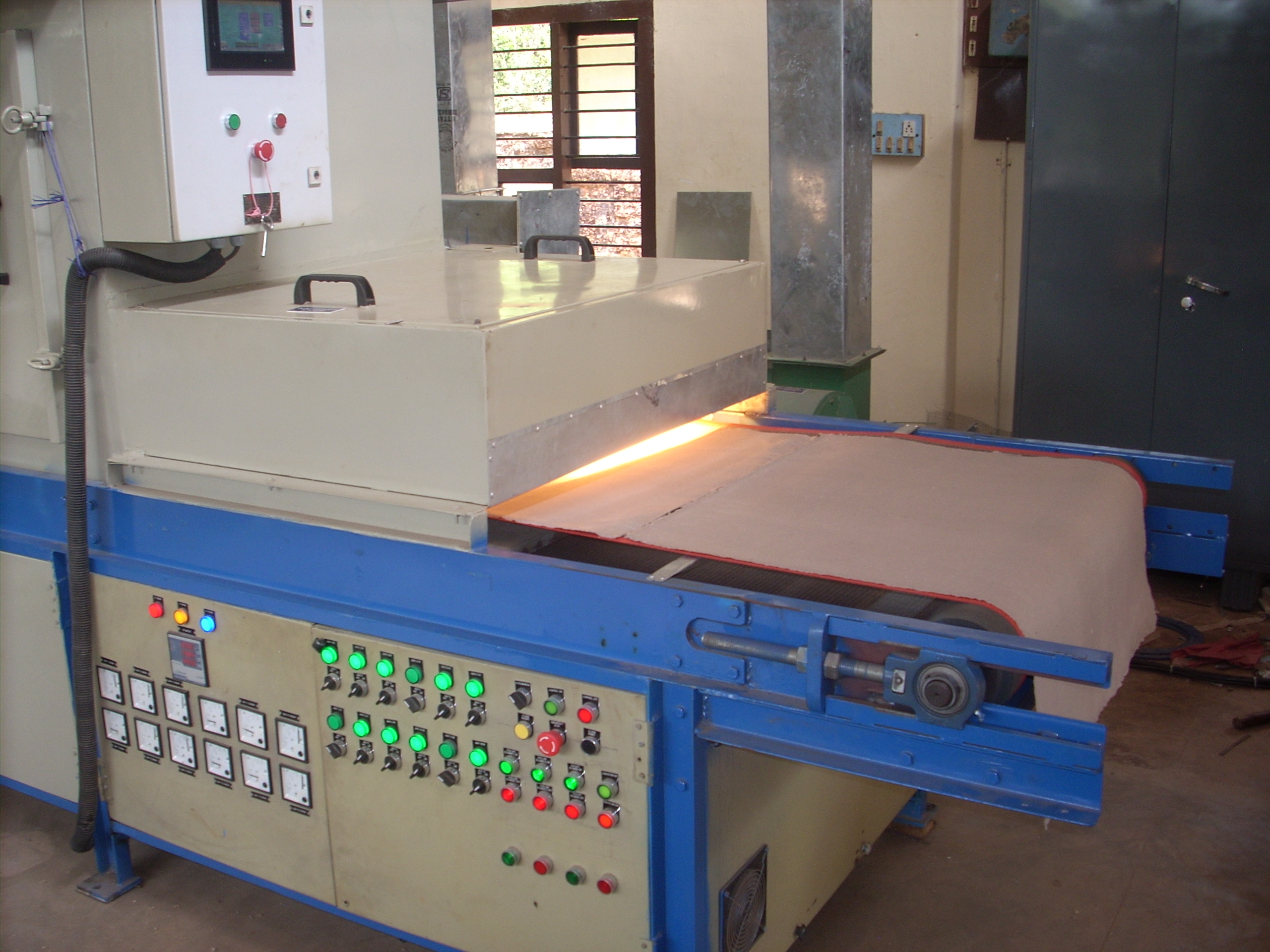
Microwave Heating For Rubber
Click to view high-res
Microwave Heating For Rubber
Click to view high-res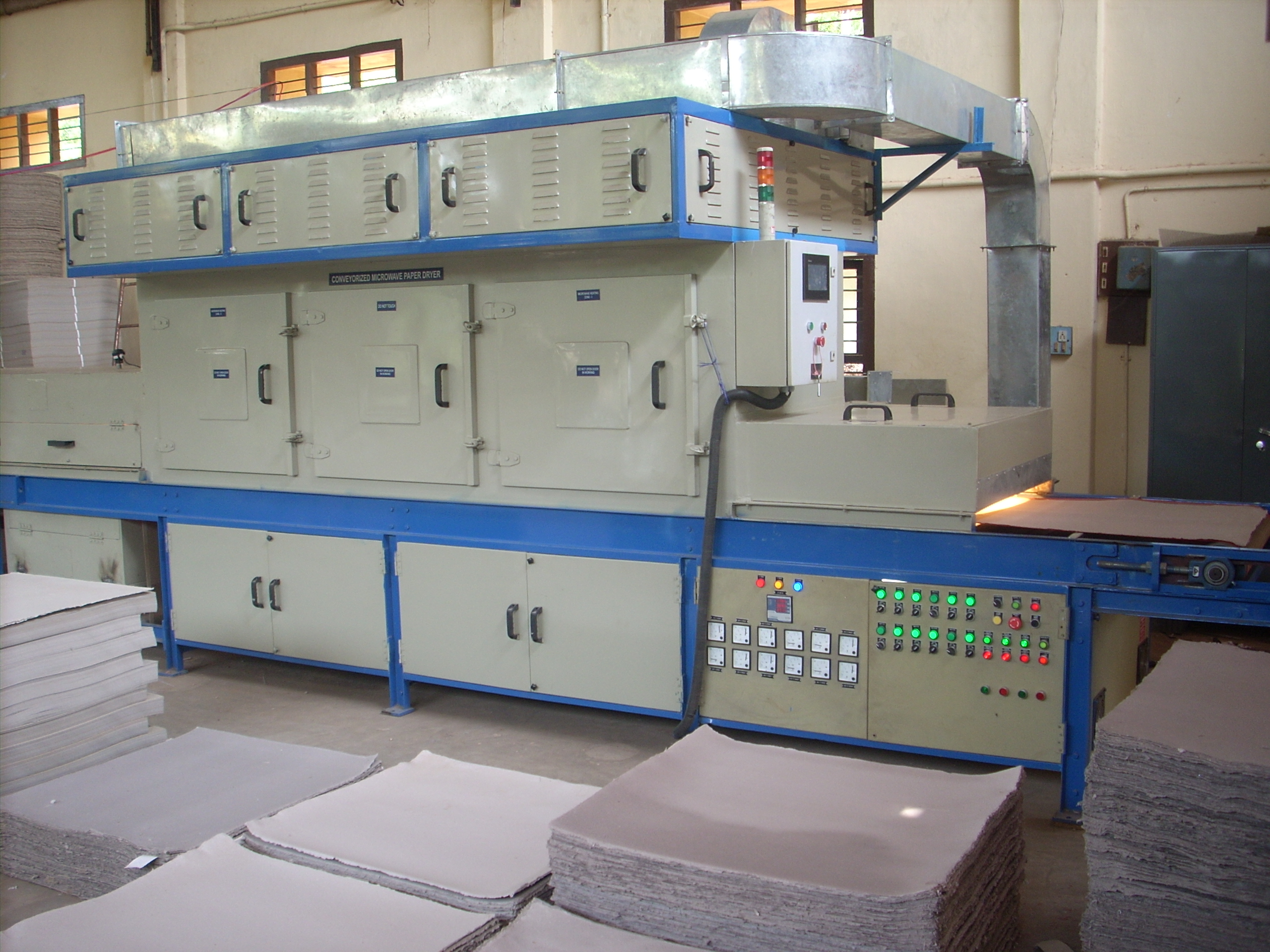
Microwave Heating For Rubber
Click to view high-res
Microwave Heating For Rubber
Click to view high-res50+ Years of Thermal Engineering Leadership.
Since 1976, Kerone Engineering Solutions has delivered over 5,000 custom-engineered thermal and process installations across 50+ countries. In technical collaboration with premier global institutions like CSIR-CEERI and University of Nottingham research partnerships, we design and manufacture high-efficiency machinery that minimizes production downtime and cuts operating expenses.
Unlike standard off-the-shelf equipment suppliers, Kerone operates a complete pilot-scale testing facility at our KRDC Ambernath center. We validate your exact raw material properties — determining moisture sorption isotherms, specific heat capacity, and dielectric behavior — before finalizing equipment sizing, ensuring zero risk during industrial scale-up.
Engineering precision, built into every system.
High Thermal and Processing
High thermal and processing efficiency
Low Maintenance and Easy
Low maintenance and easy operation
Suitable
Suitable for heat-sensitive materials
Fully Adjustable and
Fully adjustable and customizable process parameters
Available in Batch and
Available in batch and continuous configurations
Uniform Processing and
Uniform processing and consistent product quality
Powered by AI, Machine Learning & Smart IoT Integration
Modern industrial processing requires unprecedented thermal precision, energy efficiency, and operational agility. Kerone equips each system with high-speed industrial edge computing controllers, multi-spectral non-contact infrared pyrometry, and proprietary closed-loop machine learning algorithms that continuously analyze process parameters in real time.
The intelligent automation stack monitors dynamic changes in incoming material load, bed thickness, moisture content, and environmental factors. In response, our algorithms dynamically adjust heater power arrays, generator frequency, conveyor drive velocities, and exhaust dampers within milliseconds — entirely eliminating product burn, under-processing, or thermal hotspotting.
Seamlessly integrated with factory-wide SCADA and enterprise ERP architectures via native MQTT, OPC-UA, and Modbus TCP protocols, our systems deliver complete digital recipe control, remote diagnostics, predictive maintenance alerting, and tamper-evident batch logs compliant with global FDA 21 CFR Part 11 and cGMP standards.
Adaptive Heat Modulation
Neural algorithms detect material thermal variations in real time (<50ms response) and tune generator frequency and power arrays automatically.
IoT Cloud Telemetry
Continuous bidirectional telemetry stream via MQTT/OPC-UA protocols directly to centralized plant SCADA, MES, or mobile engineer dashboards.
Predictive Maintenance
Monitors magnetron cathode current, vibration frequency signatures, and differential filter pressure to schedule AMC maintenance before failures occur.
Quality & Batch Traceability
Automated digital recipe execution, multi-stage temperature ramp/soak curves, and cryptographically signed electronic batch logs compliant with 21 CFR Part 11.
Engineered for High-Value Industrial Sectors
Tailored thermal and process configurations across continuous manufacturing lines.
Preheating of Rubber Profiles and Extrusions
Ensures uniform temperature before further processing such as curing or molding.
Continuous Vulcanization of Rubber
Used for rapid and uniform curing of rubber profiles, cables, seals, and hoses.
Rubber Sheet and Mat Processing
Provides even heating across thickness for consistent physical properties.
Drying of Rubber Compounds
Removes surface moisture from rubber mixes before shaping.
Devulcanization for Recycling
Helps break sulfur bonds in scrap rubber for reuse in new rubber products.
Bonding and Adhesive Activation
Activates bonding agents in rubber-to-metal or rubber-to-fabric applications.
Foam Rubber Expansion
Assists in controlled heating for sponge and foam rubber manufacturing.
Configured to Your Process Window
Technical parameter envelopes across industrial manufacturing and engineering architectures.
Frequently Asked Questions
Engineering answers regarding equipment sizing, integration, and process performance.
Microwave heating supports a broader range of rubber processing steps than curing alone, including drying of rubber compounds to remove surface moisture before shaping, devulcanization of scrap rubber for recycling by selectively breaking sulfur cross-links, activation of bonding agents in rubber-to-metal or rubber-to-fabric assemblies, and controlled heating for foam and sponge rubber expansion. Each application relies on the same core principle of direct energy coupling with moisture or polar compounds within the material, but the power levels, exposure times, and cavity designs differ significantly between, for example, gentle drying of compound stock and the higher-energy requirements of devulcanization. Manufacturers should clarify with their supplier which specific application their system needs to be optimized for, since a generic microwave heating unit configured for curing will not necessarily perform well for drying or devulcanization without adjustment.
Yes, Kerone offers fully customized engineering solutions.
Food, chemical, pharma, biomass, rubber, textile and more.
Kerone ensures high product quality through strict engineering standards, advanced testing procedures, and precision-controlled manufacturing systems.
Microwave heating is preferred because it generates heat internally within the rubber material rather than transferring heat from the surface inward like hot air systems. This results in faster and more uniform curing, especially for thick rubber profiles and complex shapes. It reduces processing time, improves cross-linking consistency, lowers energy consumption, and minimizes surface overheating or scorching. As a result, manufacturers achieve better product quality, higher production efficiency, and reduced operational costs.
Microwave heating for rubber and polymer processing enables rapid, uniform vulcanization, curing, and drying without the surface scorching or uneven heating associated with conventional ovens. Kerone's microwave curing systems for rubber use precisely controlled power density to achieve thorough cross-linking at lower temperatures, improving product consistency and reducing cycle times by up to 50%. For polymers, microwave systems accelerate drying of granules, pellets, and formed parts, improving production efficiency. Special applicators and microwave-transparent conveyors are used to handle various shapes and formulations.
Devulcanization uses microwave energy to selectively target and break the sulfur cross-links formed during the original vulcanization process, effectively reversing part of the chemical bonding that gives cured rubber its strength and elasticity, without degrading the base polymer chains. This allows scrap rubber, such as production waste or end-of-life tyre material, to be processed back into a usable feedstock that can be blended into new rubber compounds rather than sent to landfill. The resulting devulcanized rubber typically requires blending with virgin compound rather than being used at 100 percent recycled content, since some property loss compared to virgin rubber is expected, but this still represents meaningful material cost savings and waste reduction for manufacturers incorporating recycled content into their products.
Conventional hot air vulcanization systems lose substantial energy heating large volumes of air that surround the product rather than the rubber itself, and because heat must conduct inward from the surface, longer dwell times are needed to fully cure thick rubber sections. Microwave systems instead direct energy specifically into the rubber's internal moisture and polar content, achieving faster heat transfer with significantly less energy wasted on heating the surrounding environment. This translates into a smaller equipment footprint, since shorter dwell time requirements mean shorter curing tunnels, lower energy bills per unit of rubber processed, and faster overall production rates, all of which contribute to a lower total cost of ownership over the equipment's operating life compared to hot air alternatives.
Extruded rubber products with substantial cross-sectional thickness, such as hoses, profiles, and cable jacketing, benefit most from microwave-assisted curing because surface-heating methods alone struggle to cure these products evenly through their thickness within practical line speeds. Since rubber conducts heat poorly, a surface-only heating method applied to a thick extrusion either undercures the core or requires impractically slow line speeds to allow enough time for heat to conduct inward. Microwave curing heats the extrudate's full cross-section simultaneously, allowing faster line speeds while still achieving complete, uniform cure. Thin-walled extrusions with minimal cross-sectional thickness see less dramatic improvement, since surface heating methods can already cure thin sections reasonably well within standard line speeds.
Preheating with microwave energy before molding or vulcanization commonly reduces overall curing time by approximately 40 percent by bringing the rubber to a near-uniform elevated temperature before the press or curing stage begins, eliminating much of the heat-up time that would otherwise occur within the press itself. This reduction does vary by rubber type, since compounds differ in their dielectric loss factor, meaning how efficiently they absorb microwave energy, as well as in their thermal conductivity once heated. Compounds with higher polarity or moisture content typically respond fastest to microwave preheating, while less polar specialty elastomers may see a smaller percentage time reduction and require process trials to establish realistic expectations for that specific formulation.
New adopters should establish baseline testing comparing parts produced under previous heating methods against microwave-processed parts, examining hardness, compression set, tensile strength, and visual cure uniformity across cross-sections rather than relying on surface inspection alone. Process parameters such as power level, exposure time, and conveyor speed should be locked in through documented trial runs for each compound and part geometry, since microwave response varies by formulation. Ongoing quality control should include periodic destructive testing of cross-sections to verify the absence of undercured cores, particularly during the transition period as production staff become familiar with the new process parameters and equipment behavior.
Yes, Kerone designs microwave heating systems with adjustable power output and configurable cavity zones that can be set up to handle multiple process steps, such as drying rubber compound stock followed by curing within an integrated production line, though each application typically requires its own dedicated zone with parameters tuned specifically for that step. Combining functions on one line can improve overall floor space efficiency and reduce the number of separate material handling transfers between process steps. Manufacturers considering a multi-function configuration should discuss their full process sequence with the equipment supplier early in the specification stage, since cavity design and power distribution need to account for the different energy requirements of each application running in sequence.
A common misunderstanding is that carbon black or metal reinforcement within a rubber compound will cause dangerous arcing or uncontrolled heating in a microwave field, leading some processors to avoid the technology for filled or reinforced compounds unnecessarily. While metal components can interact with microwave fields and do require engineering consideration in cavity and process design, properly engineered systems account for this through cavity geometry, shielding, and power control rather than avoiding such compounds altogether. Carbon black itself, while it does absorb microwave energy differently than the rubber matrix, is commonly processed successfully in industrial microwave rubber curing systems when power levels and exposure times are calibrated for the specific filler loading in the formulation.
Microwave rubber heating systems with PLC-based control architecture generate continuous process data, including power levels, exposure duration, and temperature readings, that can feed into plant-wide manufacturing execution systems for real-time production tracking and quality traceability. Predictive maintenance algorithms can flag generator performance drift before failures occur, reducing unplanned downtime that disrupts production schedules. Cloud-connected dashboards allow process engineers to compare performance trends across multiple production lines or shifts, identifying optimization opportunities that would be difficult to spot from manual log review alone. For rubber processors integrating multiple production technologies into a unified digital manufacturing strategy, this data connectivity is often as valuable as the direct processing efficiency gains.
Budgeting should account for the upfront capital cost of the microwave system, which is typically higher than comparable conventional hot air equipment, against the operational savings expected from reduced energy consumption, shorter cycle times enabling higher throughput from the same floor space, and lower scrap rates from improved cure uniformity. A realistic payback analysis should incorporate the specific compound and part mix the facility runs, since the financial case is strongest for thick-section, high-volume products where conventional heating's limitations are most pronounced. Facilities should also factor in reduced floor space requirements if a shorter microwave curing tunnel replaces a longer conventional system, since this can free up production area for other use or avoid a costly facility expansion.

Let’s Engineer the Right Process.
From application trials to full-scale production systems, our engineering team works with you to develop the right thermal processing solution for your material, throughput, and production requirements.